
Seagate IronWolf 4TB
4.5Editor score
Up to 8-bay support
IronWolf Health Management
Rescue Data Recovery
Network Attached Storage systems require specialized internal hard drives designed for continuous operation and multi-user access. Choosing the right drive ensures data integrity and performance in home or business environments.
We evaluated ten leading NAS drives based on capacity, reliability metrics, and specific features like CMR technology and vibration sensors. Our analysis focuses on proven performance in 24/7 server environments.
Each pick highlights key strengths and ideal use cases for different NAS configurations. Note that prices and availability change frequently so check current listings before purchasing your next drive.
4.5Editor score

4.7Editor score
3.9Editor score
As an Amazon Associate we earn from qualifying purchases.
The following table provides a side-by-side comparison of all ten NAS drives evaluated in this guide for easy feature and specification review.



This drive stands out as a top performer with a 4.7 rating and optimized for multi user NAS environments. It features AgileArray technology and dual plane balancing for consistent RAID performance.
We may earn a commission when you buy through this link, at no additional cost to you.
The 7200 RPM spindle speed combined with a 256MB cache delivers up to 210MB/s sustained data transfer. It is engineered to handle workloads up to 180TB per year reliably.
While the price is higher than budget options the included Rescue Data Recovery Service adds significant value. The 95 percent recovery success rate offers peace of mind for critical data.
This drive is ideal for power users needing reliable capacity and speed in a multi bay NAS. It balances performance and durability effectively for demanding workloads.
Designed for 24 by 7 usage with one million hours MTBF and enhanced load unload cycles.
Integrated IronWolf Health Management allows proactive monitoring to prevent failures and maintain data integrity.
We may earn a commission when you buy through this link, at no additional cost to you.
This 4TB drive offers excellent value for home or small office NAS setups. It is optimized for multi user environments up to eight bays with CMR technology.
We may earn a commission when you buy through this link, at no additional cost to you.
The 5400 RPM design reduces power consumption and heat while maintaining reliability. It includes IronWolf Health Management for drive monitoring and data protection features.
The trade off is slower transfer speeds compared to 7200 RPM options. However it is sufficient for most file sharing and backup tasks without excessive noise.
Buyers seeking affordable reliable storage for light to medium workloads will find this model suitable. It balances cost and features effectively for entry level NAS users.
Purpose built for NAS enclosures to deliver less wear and tear and increased file sharing performance.
Includes three year limited warranty and Rescue Data Recovery Services for added security against data loss.
We may earn a commission when you buy through this link, at no additional cost to you.
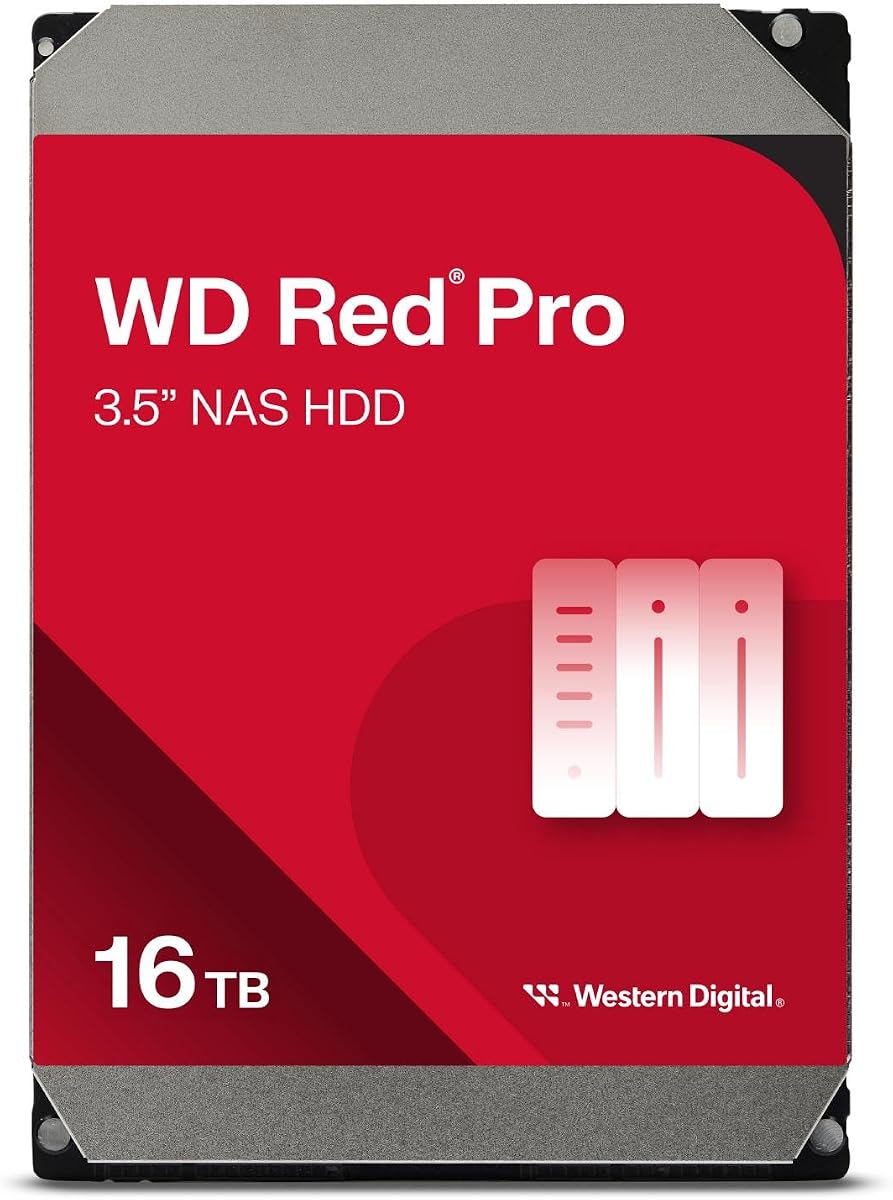
This 16TB drive targets high intensity multi user NAS environments with extreme durability requirements. It supports up to 22TB capacity options and unlimited bay configurations.
We may earn a commission when you buy through this link, at no additional cost to you.
Rated for 550TB per year workload rate it handles heavy simultaneous read and write operations efficiently. The 512MB cache improves data buffering and sustained transfer rates.
The premium price reflects enterprise level capabilities and extended testing with NAS vendors. It is a significant investment for professional users with demanding storage needs.
Consider this model for businesses or media servers requiring maximum reliability and capacity. It ensures long term performance under constant high intensity usage conditions.
Available in capacities up to 22TB to meet growing storage needs for large scale deployments.
Western Digital partners with extensive NAS vendors for testing to ensure broad enclosure compatibility.
We may earn a commission when you buy through this link, at no additional cost to you.
This drive combines high capacity with robust features for versatile NAS use. It supports multi user environments and delivers ultra high capacity storage up to 16TB options.
We may earn a commission when you buy through this link, at no additional cost to you.
The 7200 RPM speed ensures fast data access and efficient file sharing. Integrated health monitoring allows easy tracking of drive status over time.
Trade offs include potential noise during intense operations though vibration control helps. It remains a top choice for balanced performance and reliability.
Users needing a versatile drive for both home and small business storage should consider this. It offers a solid foundation for growing NAS requirements.
Delivers increased file sharing performance and minimal downtime for reliable access to stored data.
Integrated system monitors health proactively to enable timely maintenance and prevent potential issues.
We may earn a commission when you buy through this link, at no additional cost to you.
This drive targets small and medium business NAS systems with high capacity needs. It supports up to 180TB yearly workload rate for consistent performance.
We may earn a commission when you buy through this link, at no additional cost to you.
NASware firmware ensures compatibility with various NAS enclosures for optimal operation. The 512MB cache provides efficient data buffering during heavy use.
While reliability scores vary this model offers solid features for business environments. It is tested specifically for 24 by 7 use cases.
Business users seeking reliable mid range storage will find this a practical choice. It balances capacity and compatibility effectively for shared storage.
Specifically tested for compatibility with NAS systems to ensure optimum performance without conflicts.
Supports defined workload rates to guarantee data transfer capacity under continuous operation conditions.
We may earn a commission when you buy through this link, at no additional cost to you.
This drive is primarily designed for everyday computing but offers high capacity storage. It includes free Acronis True Image WD Edition for cloning and backup tasks.
We may earn a commission when you buy through this link, at no additional cost to you.
WD quality and reliability are well established in consumer drives. The 512MB cache and 7200 RPM ensure fast data access for general use.
However it lacks specific NAS optimization like vibration sensors. This may affect longevity in multi drive enclosures without adequate cooling.
For budget conscious users or light NAS use this provides value. Ensure proper ventilation when using in multi bay setups.
Includes free Acronis True Image WD Edition for easy drive cloning and system migration tasks.
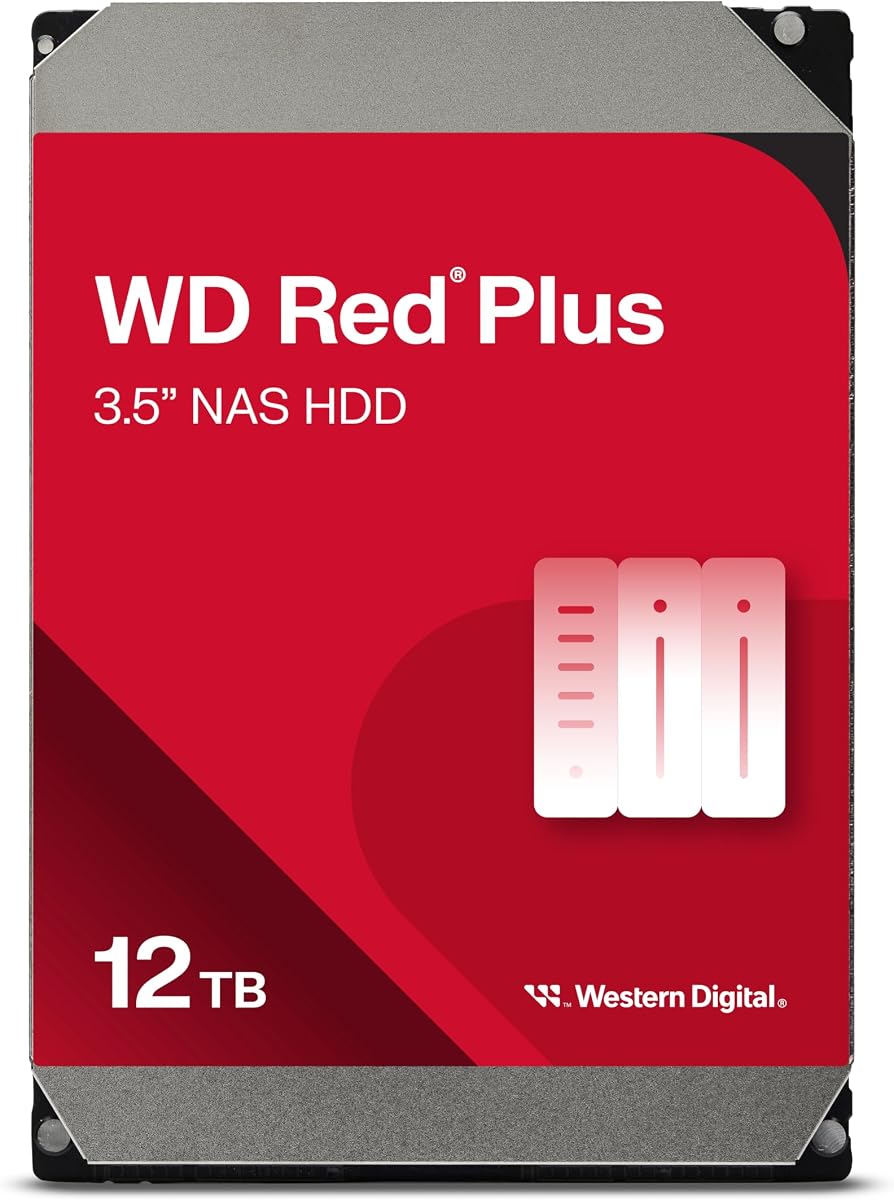
Available in capacities up to 12TB to accommodate expanding storage needs for various devices.
We may earn a commission when you buy through this link, at no additional cost to you.
This renewed drive offers high density storage at a lower cost than new units. It is designed for hyperscale applications requiring maximum efficiency in data centers.
We may earn a commission when you buy through this link, at no additional cost to you.
The 7200 RPM speed ensures fast data access and good integrity. A five year warranty provides added confidence in the renewed product quality.
The renewed status means it may show signs of prior use but remains functional. Ensure proper formatting before installation to guarantee compatibility.
Budget buyers needing large capacity can consider this option. Verify the warranty terms and condition details before purchase.
Designed for maximum storage efficiency in space constrained environments and hyperscale solutions.
Includes five year warranty to ensure long term reliability and support for the renewed drive.
We may earn a commission when you buy through this link, at no additional cost to you.
This Pro variant supports up to 24 bays for larger NAS server environments. It delivers 7200 RPM speeds for fast data processing and file access.
We may earn a commission when you buy through this link, at no additional cost to you.
With 1.2 million hours MTBF it offers superior reliability and long term durability. The five year warranty adds extra protection for critical data.
Trade offs include limited capacity and higher cost compared to standard models. It is best suited for professional server configurations requiring expansion.
IT professionals needing expandable reliable storage should consider this model. The extended warranty and recovery services justify the investment.
Ideal for multi user NAS server environments up to 24 bays that demand consistent performance.
Lower power consumption helps reduce operational costs and heat in large server setups.
We may earn a commission when you buy through this link, at no additional cost to you.
This model is optimized for home servers with multi user capabilities and vibration sensors. It delivers up to 210MB/s sustained transfer rate for fast access.
We may earn a commission when you buy through this link, at no additional cost to you.
The 7200 RPM speed ensures responsive performance during file sharing and media streaming. Vibration sensors protect data integrity in multi drive setups.
Halogen free construction reduces environmental impact. The design is robust for continuous operation in home environments.
Home users needing reliable storage for media and backups will find this suitable. Ensure proper case ventilation for longevity.
Rotational vibration sensor technology minimizes wear and improves stability in multi drive enclosures.
Up to 210MB/s sustained transfer ensures smooth data access for high bandwidth applications.
We may earn a commission when you buy through this link, at no additional cost to you.
This drive focuses on energy efficiency with a 5400 RPM class suitable for quiet setups. It uses CMR technology to ensure data integrity during RAID operations.
We may earn a commission when you buy through this link, at no additional cost to you.
NASware firmware optimizes performance for small and medium business NAS systems. The 256MB cache handles data buffering efficiently during regular use.
Trade offs include slower sustained transfer speeds compared to 7200 RPM drives. However it suits environments prioritizing low heat and noise.
Home users wanting quiet reliable storage should consider this model. Verify the model number confirms CMR technology for RAID compatibility.
The 5400 RPM class reduces power consumption and heat generation for quieter operation.
CMR technology ensures reliable data management and RAID performance without SMR limitations.
We may earn a commission when you buy through this link, at no additional cost to you.
Selecting the right NAS hard drive involves understanding key technical features that impact performance and reliability in your storage setup.
CMR stands for conventional magnetic recording which maintains consistent write speeds and is ideal for RAID arrays. SMR uses shingled magnetic recording that improves density but can cause performance degradation during heavy writes due to data shuffling.
Always choose CMR drives for NAS to avoid data corruption risks and ensure stable RAID rebuilds under load.
Capacity determines how much data you can store directly on the NAS. Consider your current needs plus future growth to avoid frequent upgrades. Higher capacity drives are often more cost effective per terabyte but may cost more upfront.
Estimate your storage requirements and choose a drive that offers enough room for expansion without excessive unused space.
Spindle speed measured in RPM affects data access speed and power consumption. 7200 RPM drives offer faster transfers and better responsiveness while 5400 RPM consume less power and generate less heat and noise.
Select 7200 RPM for performance critical tasks and 5400 RPM for quiet and energy efficient setups.
Look for Mean Time Between Failures (MTBF) and Annual Workload Rate ratings. Higher MTBF and workload capacity indicate a drive designed for continuous 24 by 7 operation typical in NAS environments.
Prioritize drives with ratings of 1 million hours MTBF and at least 180TB yearly workload for better longevity.
Rotational vibration (RV) sensors detect and correct for vibrations from other drives in multi bay enclosures. This feature protects data integrity and reduces mechanical wear during continuous operation.
Ensure your drive includes RV sensors if using in enclosures with multiple drives to minimize failure risks.
Warranty length and included services such as data recovery can significantly impact the total cost of ownership. Longer warranties and included recovery services provide better protection against unexpected failures.
Check warranty terms and consider drives with data recovery options if storing critical business or personal data.
Confirm the drive is tested and certified for your specific NAS brand or model. Manufacturers like WD and Seagate have compatibility lists to ensure firmware and hardware integration works properly.
Refer to your NAS vendor compatibility list before purchasing to avoid potential firmware conflicts or failures.
Power draw affects operational costs and heat output especially in multi drive systems. Lower power drives help keep temperatures down and reduce electricity usage over time.
Consider power efficiency if running the NAS continuously or in environments with strict energy constraints.
Install drives according to your NAS enclosure manual ensuring secure mounting to minimize vibration and noise during operation. Use provided screws and follow torque specifications to prevent physical stress on the drive chassis.
Set up RAID configurations appropriate for your needs such as RAID 1 for redundancy or RAID 5 for capacity and redundancy balance. Regularly check drive health through the NAS software dashboard to identify early warning signs.
Keep the NAS in a well ventilated area and clean dust from fans periodically. Ensure firmware for both the NAS and drives is up to date for optimal performance and compatibility.
No only drives designed for NAS with CMR technology and 24 by 7 durability ratings are recommended. Desktop drives lack the features needed for continuous multi user workloads and may fail prematurely.
Capacity depends on your data storage requirements and number of drives in your array. Home users may start with 4TB to 10TB while businesses often require 12TB or more for redundancy and growth.
Product listings typically specify CMR in the title or specifications. If unsure check the model number on the manufacturer website to confirm it uses conventional magnetic recording instead of SMR.
RAID is not mandatory but highly recommended for data protection. RAID configurations like 1 or 5 provide redundancy so data remains accessible even if one drive fails unexpectedly.
It is possible but not recommended as differing firmware and performance characteristics can lead to instability. Using identical drives ensures consistent performance and simplifies replacement when needed.
Check drive health weekly or monthly through the NAS management software to monitor for errors and wear. Most NAS systems send email alerts for issues but proactive checks help prevent unexpected data loss.
Most NAS drives come with a 3 to 5 year limited warranty. Pro series often include longer coverage plus data recovery services. Always verify warranty terms before purchase.
No drives usually arrive unformatted and require initialization by the NAS OS. Your NAS will format the drives automatically during setup so ensure you back up any data before installation.
The top picks include the IronWolf 10TB for overall balance budget and 4TB for cost effective entry and Red Pro 16TB for high capacity enterprise needs.
Prioritize CMR technology reliability ratings and RAID compatibility when choosing to ensure your NAS remains stable and data secure under continuous operation.
Prices and stock fluctuate frequently so verify current listings and reviews before finalizing your purchase to get the best value today.