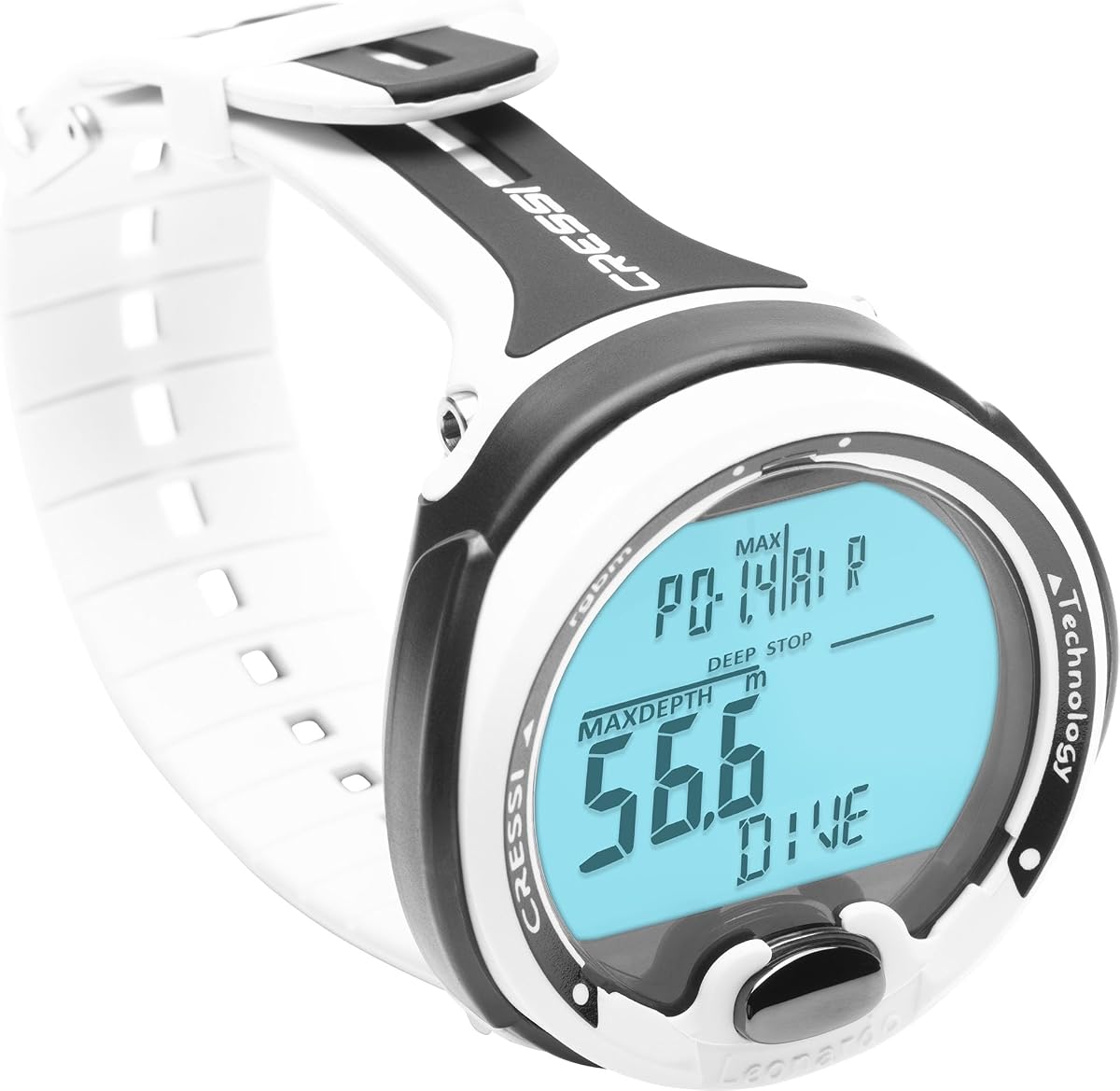
CRESSI Leonardo 2.0 G2 Dive Watch
4.2Editor score
Single-button menu navigation
Air and Nitrox modes
iOS and Android pairing
This guide compares the top dive computers for beginners based on ease of use, safety features, and battery life to help new divers choose the right model.
Starting your scuba diving journey requires the right gear to ensure safety and enjoyment underwater. A dive computer is essential for monitoring depth, time, and decompression limits effectively. Choosing the right one can make a significant difference in your confidence and dive experience.
We have evaluated ten top-rated models based on user feedback, feature sets, and reliability metrics. Our comparison focuses on usability for new divers, clear displays, and essential safety alarms. Each product offers unique strengths suited for different diving styles and budgets.
Every pick in this list highlights key capabilities and real-world performance characteristics. We include detailed breakdowns to help you understand what matters most for your needs. Please note that prices and availability may change over time.
4.2Editor score

4.7Editor score

4.7Editor score
Below is a side-by-side overview of all ten models we reviewed. This table helps you quickly compare core specifications and capabilities across the entire selection.

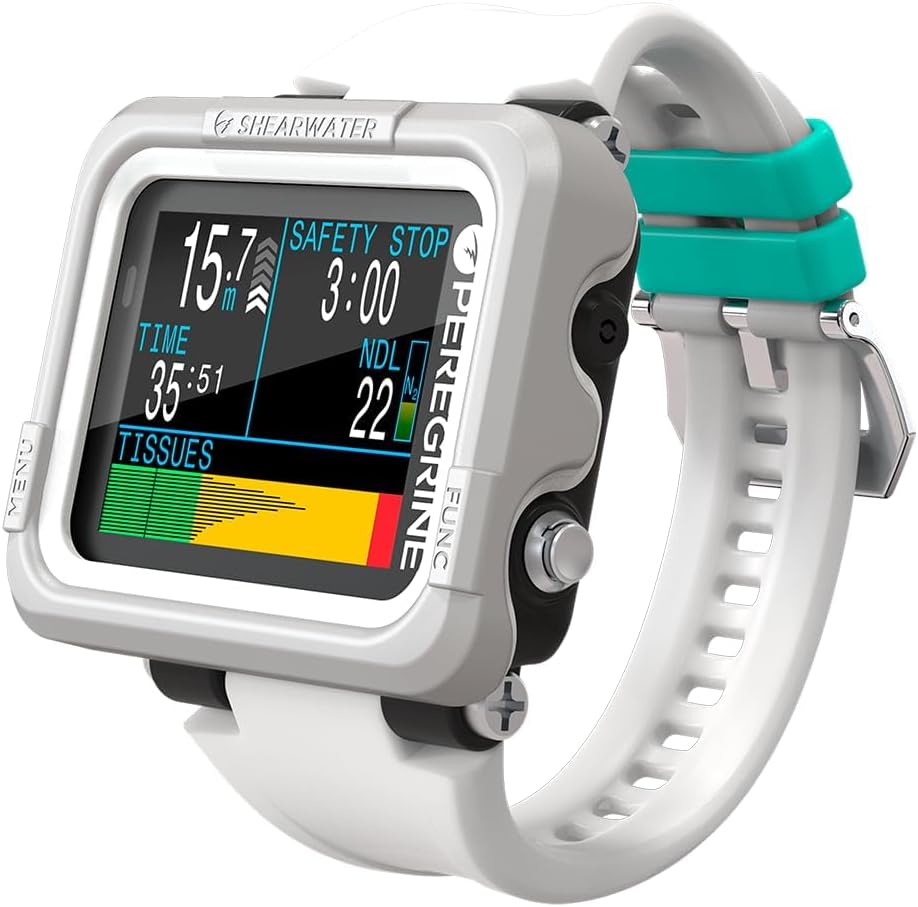


This computer offers a robust interface and reliable performance for divers starting their journey. It holds a strong user rating due to its straightforward operation and durability. The two-button layout ensures you can access critical data without confusion.
We may earn a commission when you buy through this link, at no additional cost to you.
The state-aware menu structure adapts to your current dive mode. This reduces the need for constant adjustments during a dive. The 316 stainless steel buttons resist corrosion and maintain smooth operation over time.
Battery life is a significant benefit with up to thirty hours of use per charge. This minimizes downtime between dives. Charging via the included wireless station is convenient. Some users may prefer color screens for richer data visualization.
Ideal for those wanting dependable tech that balances simplicity with depth. It grows with your skills as you advance beyond beginner levels. We recommend it for its reliability and user-friendly design.
The simple two-button system ensures quick access to vital dive metrics without distraction.
Wireless charging eliminates fumbling with ports and ensures your device is ready for the next dive.
We may earn a commission when you buy through this link, at no additional cost to you.
This watch-style computer is ideal for beginners seeking essential features without extra cost. It supports Air and Nitrox modes along with Gauge settings. The single-button interface simplifies underwater operation significantly.
We may earn a commission when you buy through this link, at no additional cost to you.
Critical alerts ensure you stay safe with visual and audible warnings. Data transfer via USB and infrared allows you to analyze logs easily. Pairing with mobile devices enhances tracking capabilities.
While it lacks advanced customization, it covers core needs well. The Italian craftsmanship adds value to its build quality. New divers will appreciate the straightforward navigation and practical design.
Perfect for entry-level users wanting reliable tools for standard dives. It offers excellent value for money. We suggest it for those prioritizing simplicity and affordability.
A single button controls all functions making it easy to use even with gloves.
Sync your dive logs with iOS or Android devices to keep a detailed record of your progress.
We may earn a commission when you buy through this link, at no additional cost to you.
This rugged model combines dive tracking with surface navigation features. Its housing uses recycled ocean-bound plastics making it eco-friendly. The vibrant display allows for extensive data visibility.
We may earn a commission when you buy through this link, at no additional cost to you.
Surface GPS helps mark entry and exit points effectively. Depth metrics guide your bottom time optimization. The 3-axis digital compass aids underwater orientation. Four metal buttons ensure leakproof durability.
It is a significant investment but offers premium performance. The weight may feel substantial to some divers. Features like water temperature sensors add exploration value.
Recommended for divers wanting top-tier tech and environmental responsibility. It is great for complex dive plans. Consider it if you need advanced mapping tools.
Navigate to dive sites precisely and mark your journey with built-in GPS technology.
Tailor up to three data fields per page to suit your specific dive needs.
We may earn a commission when you buy through this link, at no additional cost to you.
The D5 offers a clear color display for quick data reading. It connects wirelessly to tank pressure sensors for real-time monitoring. Vibration alarms provide discreet warnings during dives.
We may earn a commission when you buy through this link, at no additional cost to you.
Water resistance up to 100 meters suits most recreational needs. The digital compass helps with navigation. Mobile connectivity allows easy review of dive history.
Some users report connectivity quirks but overall it performs well. The design is sleek and modern. It balances features with portability effectively.
Ideal for divers wanting wireless tank pressure tracking. It simplifies gear setup. Consider it for its visual appeal.
Track tank levels effortlessly without tangles using wireless pressure transmission.
Receive silent warnings to avoid disturbing marine life or dive partners.
We may earn a commission when you buy through this link, at no additional cost to you.
This version enhances the original with a more vivid LED LCD. It supports three gas nitrox and gauge modes. Gradient factors allow precise decompression planning.
We may earn a commission when you buy through this link, at no additional cost to you.
Battery life matches the standard model at thirty hours. Stainless steel buttons ensure longevity. The screen saturation improves readability in varying light.
It is designed for divers moving toward technical setups. The interface remains simple despite advanced features. Users find it reliable for diverse conditions.
Best for those ready to explore advanced gas mixes. It offers room for growth. We recommend it for its display quality.
Improved color range ensures information is clear even in low light environments.
Gradient factors let you fine-tune your decompression stops for safer diving.
We may earn a commission when you buy through this link, at no additional cost to you.
The Raffaello integrates a digital compass directly into the unit. This eliminates the need for a separate tool. RGBM-based planning supports mixed gas dives effectively.
We may earn a commission when you buy through this link, at no additional cost to you.
Battery replacement is user-friendly with a four-year life. Data transfers via Bluetooth and USB for flexibility. It includes apnea mode for freediving.
The design balances technical features with ease of use. Navigation is smoother with the built-in compass. Battery maintenance is minimal.
Great for divers who want navigation convenience. It supports various activities. Consider it for its practical design.
A built-in compass reduces gear clutter and keeps navigation always accessible on your wrist.
Use Bluetooth or USB to transfer logs to your preferred device for review.
We may earn a commission when you buy through this link, at no additional cost to you.
This model combines diving with full smartwatch capabilities. It tracks heart rate and sleep alongside dive readiness. The sapphire lens resists scratches effectively.
We may earn a commission when you buy through this link, at no additional cost to you.
Multi-GNSS support marks surface points accurately. Ocean-bound plastics are used for the housing. Dive readiness insights help plan safer dives.
It requires a learning curve for all features. Battery life is strong at ten days in watch mode. It is ideal for multi-use scenarios.
Best for those wanting one device for all needs. It offers comprehensive tracking. Consider it for its versatility.
Check if your body is ready to dive based on sleep stress and recent activity.
Accurately log entry and exit points with global satellite system support.
We may earn a commission when you buy through this link, at no additional cost to you.
The Giotto handles altitude diving seamlessly for high-elevation trips. It supports three nitrox mixes in a single dive. Logbook capacity reaches seventy hours of data.
We may earn a commission when you buy through this link, at no additional cost to you.
FO2 settings are adjustable for precision. Depth monitoring extends to 393 feet. It simplifies multi-mix profiles for safety.
This unit is great for mountain lakes or specialized dives. The logbook allows thorough review. It offers strong versatility for unique environments.
Recommended for altitude divers or multi-mix planning. It provides solid coverage. Consider it for its adaptability.
Dive safely at high elevations without needing manual decompression calculations.
Manage up to three mixes per dive for complex planning needs.
We may earn a commission when you buy through this link, at no additional cost to you.
This lightweight computer focuses on essential data with a single button. The segment display ensures visibility in various conditions. It uses the Bühlmann algorithm for decompression.
We may earn a commission when you buy through this link, at no additional cost to you.
Bluetooth syncing enables easy app updates. The logbook tracks 100 dives with graphs. Power is replaceable for longevity.
It prioritizes clarity and simplicity over complexity. The interface works well even with gloves. It is a reliable choice for standard diving.
Ideal for divers who prefer minimal buttons. It offers precision. We recommend it for its simplicity.
Navigate functions easily without confusion even while wearing thick diving gloves.
Review your dives with detailed graphs and profiles in the Mares app.
We may earn a commission when you buy through this link, at no additional cost to you.
This model offers watch-style design with strong dive tracking. GPS support marks entry and exit points effectively. Sapphire lens ensures scratch resistance on the surface.
We may earn a commission when you buy through this link, at no additional cost to you.
It stores up to 200 dives locally. Smart notifications connect to your phone. It supports multiple sports for overall tracking.
Battery life is exceptional at 21 days in watch mode. The monochrome display is high contrast. It is a reliable daily wear device.
Best for divers wanting smart features alongside dive data. It is robust. Consider it for its endurance.
Log your dive location with built-in GPS for better trip planning.
Stay connected with calls and messages without checking your phone.
We may earn a commission when you buy through this link, at no additional cost to you.
Selecting the right dive computer involves understanding key features that impact safety and ease of use. This guide outlines essential factors to consider before making a purchase.
Beginners benefit from simple navigation like one or two buttons. Complex menus can distract during a dive. Look for models with state-aware systems that adjust to your mode.
A straightforward interface reduces cognitive load. You should be able to check depth and time intuitively without confusion.
Readability is critical underwater. High-contrast segments or color screens help in low light. Ensure the display is legible with gloves on.
A clear display ensures you can monitor limits safely. Visual feedback should be immediate and distinct to avoid errors.
Verify the computer supports Air and Nitrox modes. Some advanced users may need Gauge or apnea settings. Check if gradient factors are available for future needs.
Versatility allows the unit to grow with your skills. Avoid models that restrict essential gas mixes or depths.
Long battery life reduces maintenance. User-replaceable batteries offer flexibility. Wireless charging adds convenience but requires specific docks.
Ensure the battery lasts for multiple dives without frequent changes. Check replacement costs and availability before buying.
Bluetooth or USB allows log syncing to apps. This helps track progress over time. Some models support wireless tank pressure sensors.
Connectivity enhances analysis capabilities. Review compatible devices to ensure smooth data transfer for your workflow.
Water resistance and depth ratings must meet your needs. Stainless steel buttons and scratch-resistant lenses add durability. Consider environmental materials if sustainability matters.
Robust construction ensures longevity in saltwater. Check warranty coverage to protect your investment.
Audible and visual alarms alert you to critical limits. Vibration options reduce noise pollution. Clear alerts prevent decompression sickness risks.
Safety features should be intuitive and reliable. Ensure alarms are noticeable even in active water environments.
Budget models offer essential features while premium ones add GPS and health tracking. Assess your diving goals before spending. Value matters more than extra gadgets.
Balance features with your needs to avoid overspending. Invest in reliability to ensure long-term satisfaction.
Before each dive, ensure the computer is fully charged and synced with any sensors. Test the alarms to confirm they are working correctly. Reset it to surface mode if needed.
During the dive, keep the unit visible on your wrist. Check depth and time regularly. Do not tap the screen or buttons aggressively as this may damage the seals.
Afterward, rinse the unit with fresh water to remove salt. Store it in a cool dry place away from direct sunlight. Check battery levels periodically and update firmware when available.
Yes a dive computer provides essential safety monitoring like depth and decompression limits. It reduces the risk of errors compared to tables. For new divers it is a vital safety tool.
Check for firmware updates annually or when released. Updates improve algorithms and add features. Ensure your computer is compatible before applying changes.
Yes most models are designed for both salt and fresh water. Rinse with fresh water after salt exposure to prevent corrosion. Check manufacturer guidelines for care.
Many advanced models include altitude compensation. Check the specs for altitude diving support if you plan mountain lake dives. Some units require manual adjustments for elevation.
Rechargeable lithium batteries are common in newer units. Some older models use replaceable CR123 or similar cells. Verify the type before purchasing accessories.
Use Bluetooth to sync with the companion app or USB for PC transfer. Most apps display profiles and graphs automatically. Regular syncing helps track progress and safety trends.
They are water-resistant to specific depths like 100m. Ensure the rating matches your planned dives. Proper maintenance keeps seals intact for safety.
Yes most units allow gas changes via the menu. Ensure you set the mix before diving for accurate limits. Check instructions for safe gas switching procedures.
We have reviewed ten models ranging from budget-friendly to premium options. Each offers unique strengths for monitoring dives safely and effectively. Our top picks focus on usability and essential safety features.
Prioritize simplicity and reliability when selecting your first unit. Look for clear displays and intuitive controls. These factors ensure a positive experience as you grow your skills.
Always check current prices and availability before purchasing. Features and costs can vary over time. Choose the model that best aligns with your specific diving goals.