
EVISTR L357
4.2Editor score
64GB storage capacity
Voice activated recording
Long battery life
Discover the top handheld recorders for journalists in October 2026. We compare sound quality, battery life, and portability to help you capture clear audio in
Journalists need reliable tools to capture clear audio in chaotic environments. A good handheld recorder ensures interviews, soundbites, and ambient noise are preserved with high fidelity. This guide explores the best options available for professionals in the field.
We compared ten top-rated devices based on microphone quality, storage capacity, and ease of use. Each product was evaluated for its ability to handle loud environments and deliver crystal clear recordings for broadcast or digital publishing.
Each pick shows specific strengths like noise cancellation or long battery life. Prices and availability change frequently, so check current listings before purchasing to ensure you get the best value for your reporting needs.
4.2Editor score
4.2Editor score

4.7Editor score
This side-by-side comparison highlights the key specifications of each top-rated handheld recorder for journalists. Use this table to quickly identify which device offers the best features for your specific reporting needs.




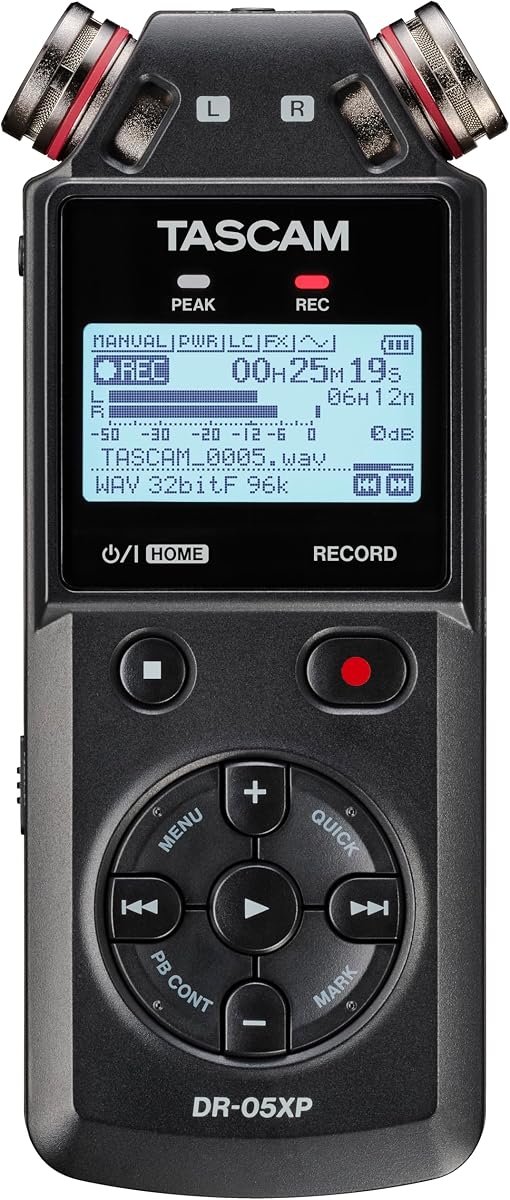
The TASCAM DR-05XP stands out as a top choice for journalists needing professional sound quality on a budget. With its 32-bit float technology, it captures audio without distortion even in very loud or very quiet settings. This makes it ideal for unpredictable field interviews.
We may earn a commission when you buy through this link, at no additional cost to you.
Its USB-C audio interface allows direct connection to laptops for quick transfers and streaming. The omnidirectional microphones handle sources up to 125dB SPL ensuring clear recordings in noisy environments. Battery life supports up to 17.5 hours of operation which covers full reporting days.
While it requires external AA batteries which adds bulk and the menu system is not the most intuitive. However these trade-offs are acceptable given the superior audio fidelity and robust build quality. It remains a reliable tool for serious audio capture.
Journalists seeking high fidelity without the bulk of larger mixers should prioritize this device. It balances portability with professional features effectively. For those who value clarity and reliability in their recordings this is a strong recommendation.
The 32-bit float recording ensures no clipping occurs regardless of volume changes during an interview.
USB-C connectivity enables immediate file transfer and computer interface capabilities without extra cables.
We may earn a commission when you buy through this link, at no additional cost to you.
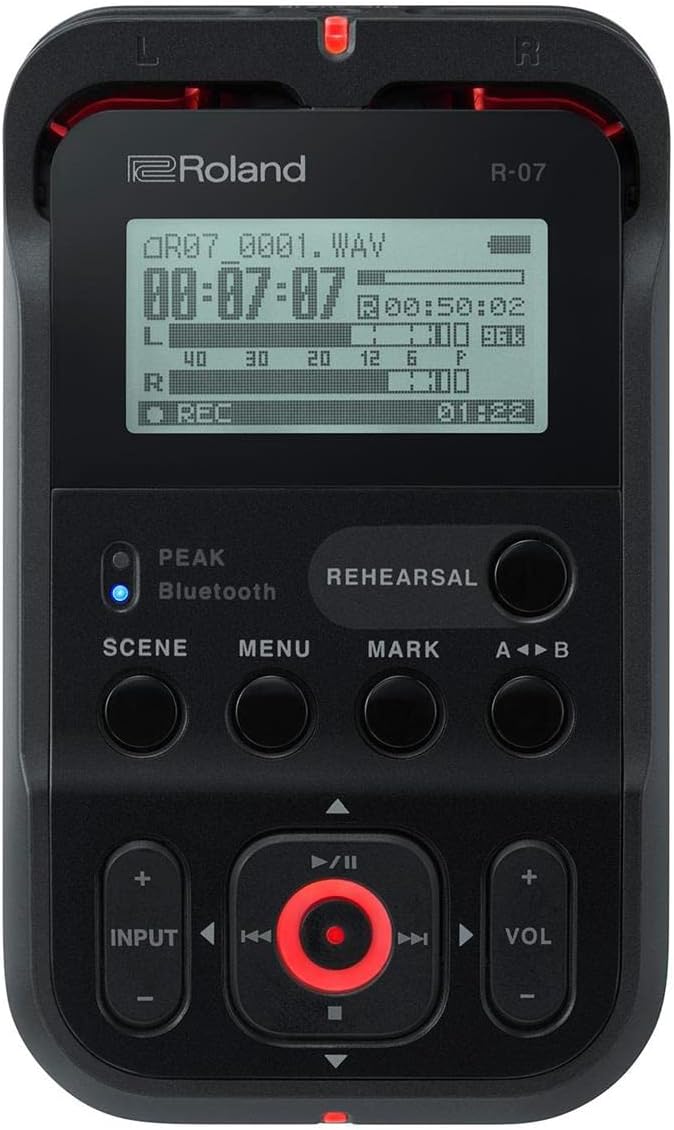
The Roland R-07 offers a unique blend of high-resolution audio and modern connectivity features. Its Bluetooth control and low-latency monitoring allow journalists to listen to recordings instantly using smart devices. This is particularly useful for verifying audio quality during live events.
We may earn a commission when you buy through this link, at no additional cost to you.
Integrated stereo microphones capture excellent quality and the device supports simultaneous WAV and MP3 recording. The one-touch templates simplify setup allowing you to focus on the story rather than settings. With a large graphic LCD and backlight visibility is ensured in low light.
The higher price might be a barrier for some but the features justify the cost for professionals. Battery reliance on AA cells means you need spares for long shoots. Despite this the versatility and sound quality make it a compelling choice.
Journalists who prioritize wireless flexibility and quick setup will appreciate this recorder. It bridges the gap between traditional recording and modern mobile workflows. If you need instant verification and high quality this device delivers effectively.
Bluetooth low latency monitoring ensures you hear exactly what was recorded without delay.
One-touch templates let you start recording scenarios instantly without complex menu navigation.
We may earn a commission when you buy through this link, at no additional cost to you.
The EVISTR L357 is an outstanding budget option for journalists needing reliable recordings without breaking the bank. It features a massive 64GB storage allowing for thousands of hours of recordings. The voice activation function helps save space by only recording when sound is detected.
We may earn a commission when you buy through this link, at no additional cost to you.
Dynamic noise reduction technology ensures clear sound even in less than ideal environments. The Type-C USB connection makes charging and file transfers straightforward. Its compact metal body is durable enough for daily use in various conditions.
While the audio quality does not match high-end professional units it is sufficient for interviews and field notes. The build is light which may feel less robust than premium models. For those focused on utility and storage this device is a practical choice.
Journalists on a tight budget or needing backup recorders will find this highly useful. It handles long interviews and lectures with ease due to storage and battery life. If you need a no-fuss recorder that just works this is an ideal pick.
With 64GB of space you can store thousands of hours of audio without needing constant transfers.
Voice activation automatically starts and stops recording to save battery and file space effectively.
We may earn a commission when you buy through this link, at no additional cost to you.
The Tonfarb 64GB recorder is designed for simplicity making it perfect for quick interviews. A single button push starts recording and saving which prevents missing critical moments. The large screen ensures you can see settings easily even in bright sunlight.
We may earn a commission when you buy through this link, at no additional cost to you.
Password protection adds a layer of security for sensitive notes or recordings. Its PCM recording mode offers decent quality for the price. With up to 48 hours of battery life it is reliable for long day assignments without frequent recharging.
This device lacks advanced audio adjustments found in premium models. It is more of a practical tool than a studio device. For journalists needing a reliable backup or quick note taker it serves its purpose well.
If you value ease of use over advanced audio tweaking this is a strong contender. It is straightforward and efficient. The security feature is a bonus for professional data safety. It is a solid value for basic needs.
Pushing the side button starts and saves recording instantly without navigating menus.
Password protection keeps files safe and the battery lasts long enough for extended use.
We may earn a commission when you buy through this link, at no additional cost to you.
The Zoom H5 is widely regarded as the gold standard for portable multi-track recording. Its interchangeable capsule system allows you to swap microphones to suit different environments. For journalists this means you can adapt quickly from a quiet room to a noisy street.
We may earn a commission when you buy through this link, at no additional cost to you.
Four-track simultaneous recording enables you to capture multiple sources independently. The XLR/TRS inputs support professional microphones and instruments. The audio safety net function protects recordings from unexpected volume spikes ensuring no data is lost.
While it is heavier than simpler recorders the extra weight is justified by the build quality and features. It requires additional adapters for some mics which adds to the total cost. However the versatility makes it a versatile tool for diverse reporting scenarios.
Journalists who need professional-grade reliability and flexibility should invest in this unit. It supports complex setups and maintains high fidelity. For those who want a tool that grows with their needs this is the top recommendation.
Swapping capsules lets you optimize audio capture for different acoustic environments easily.
XLR/TRS inputs allow connection to professional-grade microphones for superior sound quality.
We may earn a commission when you buy through this link, at no additional cost to you.
The Tascam DR-40 offers a compact solution for multi-track recording without the bulk of larger devices. It supports four-track recording and provides XLR inputs for external microphones. This makes it suitable for journalists needing to record multiple sources simultaneously.
We may earn a commission when you buy through this link, at no additional cost to you.
Its silver body is stylish and portable enough for discreet field work. The unit functions well as a USB audio interface for computer recording. Sound quality is strong and handles interviews and ambient audio effectively.
Being an older model it may lack some modern connectivity features found in newer units. However it remains a reliable tool for core recording tasks. Its compact size is a major advantage for travel and quick setup.
For journalists wanting multi-track capability in a smaller package this is a smart choice. It balances size and functionality well. If you need external inputs and multiple tracks in a small box this device fits.
Four-track recording in a compact frame allows complex setups without heavy gear.
XLR inputs let you connect professional microphones for higher audio fidelity.
We may earn a commission when you buy through this link, at no additional cost to you.
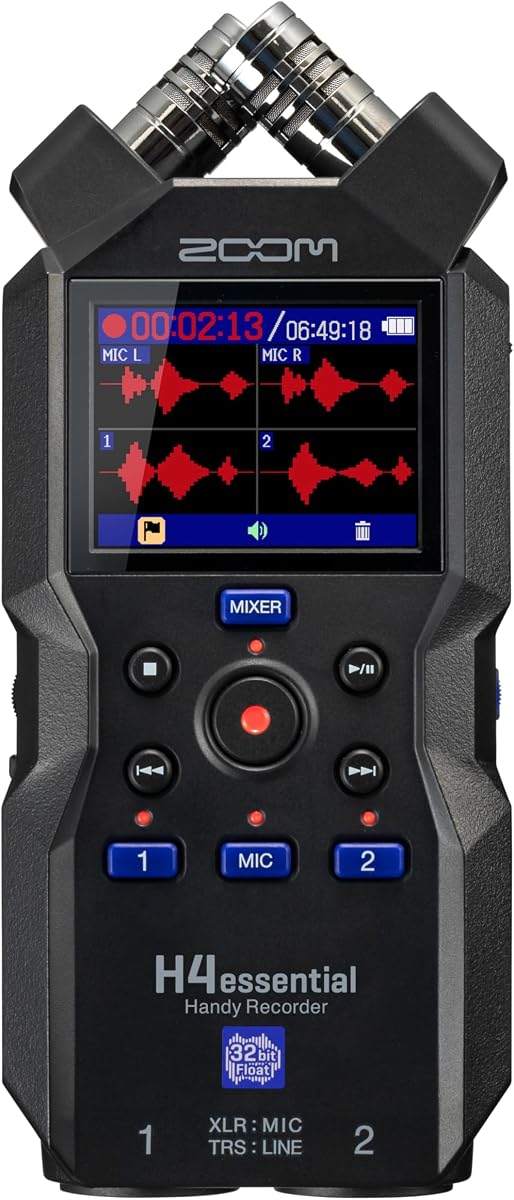
The Zoom H4 Essential is designed to make professional recording accessible to more creators. It features four-track recording to capture music interviews and voiceovers. The spoken menu guidance helps visually impaired users navigate settings easily.
We may earn a commission when you buy through this link, at no additional cost to you.
USB-C connectivity allows for direct streaming and recording to devices. You can record to the SD card for backup while simultaneously streaming to a computer. This dual capability ensures no audio is lost during critical broadcasts.
While the screen is small it is sufficient for essential monitoring. Battery options are standard but do not include packs in the box. Despite these minor points it offers excellent value for serious creators needing reliable audio.
Journalists needing a recorder for content creation will appreciate its versatility. The accessibility features and dual recording modes are standout benefits. If you want professional quality with ease of use this is a great choice.
Spoken menu guidance makes navigating settings easier for visually impaired users.
Simultaneous SD and USB streaming ensures a reliable backup during every session.
We may earn a commission when you buy through this link, at no additional cost to you.
The Pocket AI Voice Recorder transforms audio into actionable insights instantly. Its core features include auto transcription and summary generation saving hours of manual work. For journalists this means quick access to interview points without listening to hours of tape.
We may earn a commission when you buy through this link, at no additional cost to you.
MagSafe compatibility allows hands-free recording by attaching it to an iPhone. The battery lasts up to four days on a single charge reducing the need for daily recharging. This reliability ensures you are always ready for a story.
Advanced tools require a subscription which may add cost over time. The focus is on utility rather than audio engineering controls. For those valuing efficiency and speed this device changes the workflow significantly.
Journalists prioritizing speed and transcription need this tool will find it indispensable. It bridges the gap between recording and note-taking. If you want to streamline your writing process this is a highly innovative solution.
Auto transcription turns audio into text instantly for rapid review and writing.
MagSafe compatibility allows stable hands-free recording attached to your phone.
We may earn a commission when you buy through this link, at no additional cost to you.
The Zoom H1 Essential is a lightweight recorder perfect for journalists needing better audio than a phone. It captures clear stereo audio suitable for interviews and ambient sound. The USB-C port lets you use it as a microphone for video calls.
We may earn a commission when you buy through this link, at no additional cost to you.
Its compact form factor makes it easy to carry in any pocket. You can record song sessions or interviews with natural sound. It is simple to use and requires minimal setup to start recording.
While it lacks advanced controls it covers the basics well. The audio quality is better than integrated devices but not as robust as premium units. For entry-level professionals this is a solid and affordable starting point.
Journalists who need a portable backup recorder will appreciate its size. It is simple and effective for most tasks. If you want better sound without the bulk this is a great starting option.
Compact design provides better audio quality than phones while staying pocket-sized.
USB-C connection allows use as a high-quality microphone for online meetings.
We may earn a commission when you buy through this link, at no additional cost to you.
The Zoom H2 Essential includes features that support visually impaired users with audible menu navigation. It offers three microphones and nine recording patterns for diverse scenarios. 32-bit float recording ensures audio is captured without clipping or distortion.
We may earn a commission when you buy through this link, at no additional cost to you.
Wireless sync via Bluetooth allows multiple units to work together for complex setups. It functions as a USB mic for computer recording while also storing to SD cards. This dual functionality ensures backups are always created.
The audio menu system is unique and adds significant value for accessibility. While it is an older form factor it remains powerful. If you need reliable audio and accessibility features this is a strong choice.
Journalists needing accessibility support and reliable recording should consider this device. It balances advanced tech with user-friendly design. For those who need inclusive tools this is a top recommendation.
Full audio menu navigation in seven languages makes setup easier for visually impaired users.
32-bit float recording ensures no clipping occurs in dynamic volume environments.
We may earn a commission when you buy through this link, at no additional cost to you.
Choosing the right recorder depends on your specific needs in the field. Here are the key factors to consider before making a purchase.
The microphone is the heart of any recorder. Look for devices with high-fidelity stereo microphones that handle background noise well. Directional or omnidirectional options determine how you capture sound.
Prioritize microphones that handle high SPL to avoid distortion during loud events.
Journalists often work in locations without power. Ensure the device has enough battery life to last through long interviews or travel. AA batteries are common but rechargeable options exist.
Choose models offering at least 15 hours of continuous use for field reliability.
High-quality audio files take up space. Select a recorder with large internal storage or expandable SD card support. This prevents running out of space during critical reporting.
Look for devices supporting at least 64GB to store hours of uncompressed audio.
USB-C interfaces allow quick transfers and direct streaming to computers. Bluetooth connectivity can help with monitoring. Ensure the device matches your workflow needs.
USB-C support is essential for modern laptops and fast file transfers.
WAV and FLAC formats offer lossless quality suitable for broadcast. MP3 saves space but reduces fidelity. Check if the device supports high-resolution sample rates.
Always record in lossless formats if you plan to use the audio professionally.
A lightweight and compact design helps you carry the recorder everywhere. Avoid bulky units if you need to travel light. A sturdy build is also necessary for daily use.
Select a lightweight device that fits comfortably in your pocket or bag.
Complex menus can slow you down during news breaking. Intuitive button layouts and quick access to recording are key. Voice activation can also save effort.
Prioritize models with simple controls to ensure you capture audio instantly.
Prices range from budget-friendly to professional. Balance your needs with what you can afford. Sometimes a mid-range unit offers the best value.
Determine if you need professional features or just clear recording to set your budget.
Always test your recorder before an interview to ensure the microphone is not muted. Check your battery levels and storage space before starting any critical session.
When recording in noisy environments place the recorder closer to the speaker to improve signal clarity. Use headphones to monitor levels and avoid distortion during the session.
Clean your device regularly with a soft cloth and avoid exposure to water or extreme temperatures. Store it in a protective case to prevent physical damage during transport.
The TASCAM DR-05XP and Zoom H5 are top choices due to their professional audio quality and versatile inputs. They balance portability with features needed for field reporting.
While phones are convenient dedicated recorders offer better microphone quality and storage capacity. They reduce the risk of background noise interfering with your interviews.
Yes, many models like the Zoom H4 Essential function as USB microphones for podcasts. They provide higher fidelity than built-in camera or phone audio.
Most modern recorders use USB-C to connect directly to computers. Some also support Bluetooth transfer or SD card removal for quick access.
Many use standard AA batteries for easy replacement in the field. Others offer built-in rechargeable batteries for convenience. Check specs before buying.
Yes, devices like the EVISTR L357 offer high capacity storage and decent quality at a low price. They are excellent for beginners or backup needs.
We reviewed ten top recorders ranging from budget models to professional units. Each offers unique strengths suitable for different reporting scenarios and budgets.
Prioritize audio quality and battery life to ensure you capture stories accurately. Features like USB-C and voice activation can further streamline your workflow.
Always verify current availability and pricing before purchasing to get the best deal. These tools are essential investments for any serious journalist in the field.