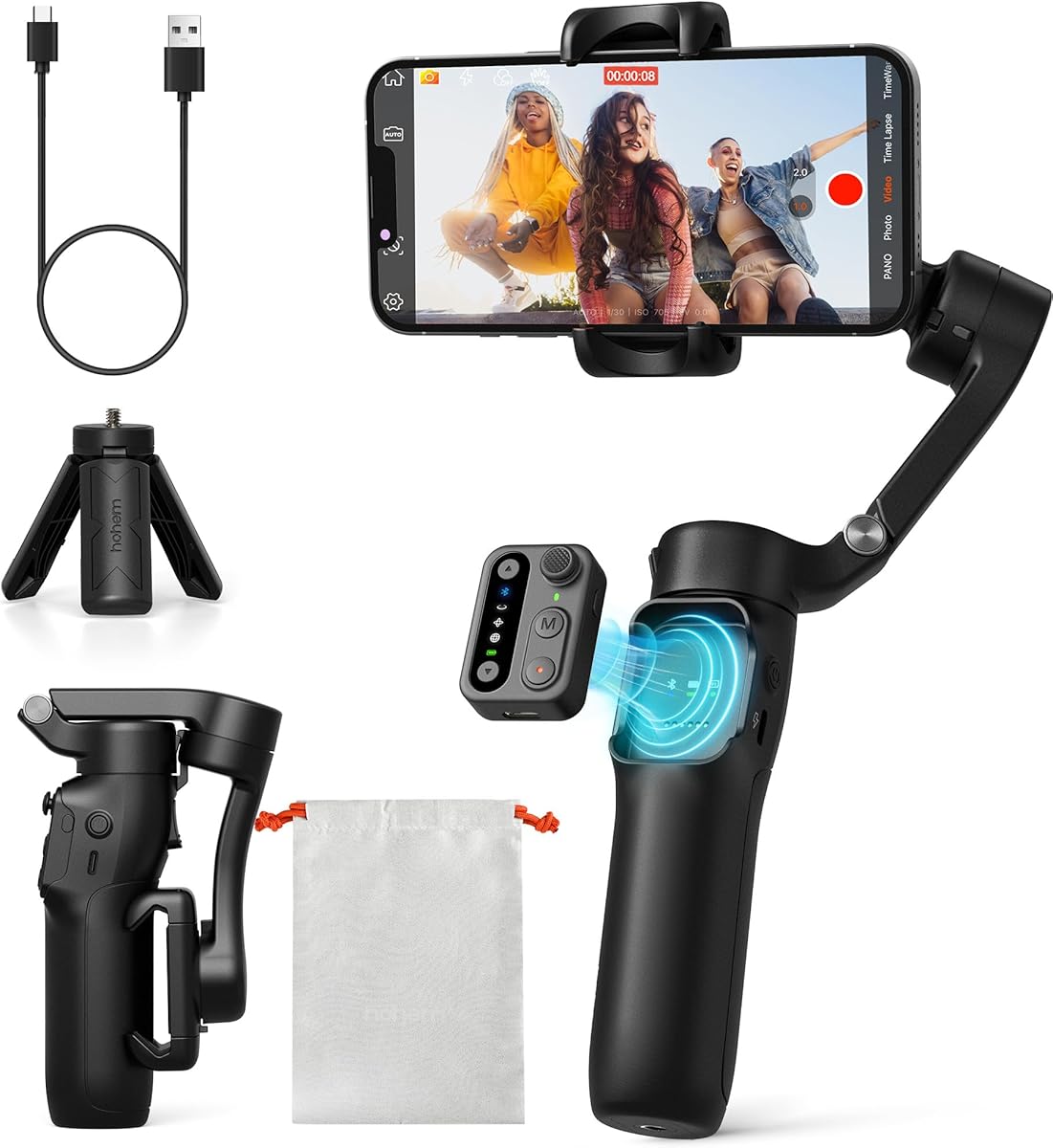
hohem iSteady X3 SE
4.2Editor score
Detachable Remote Controller
Portable Foldable Design
11 Hours Battery Life
Mountaineering demands reliable gear that withstands harsh conditions while capturing stunning footage. A quality gimbal ensures smooth video even on rugged trails or steep ascents. Choosing the right stabilizer involves considering payload, battery life, and weather resistance for outdoor adventures.
We compared ten top-rated gimbals based on stabilization technology, compatibility, and durability. Each product was evaluated for its ability to handle action cameras and smartphones in dynamic environments. Our analysis focuses on features that matter most to climbers and outdoor content creators.
Every pick highlights key strengths like runtime, tracking capabilities, and build quality. These summaries help you identify the best fit for your specific needs and budget. Note that pricing and availability may vary over time. so verify current listings before purchasing.
4.2Editor score

4.1Editor score

4.5Editor score
As an Amazon Associate we earn from qualifying purchases.
This side-by-side comparison evaluates all ten models based on stabilization, battery, and compatibility to help you choose the perfect mountaineering companion.


The Hohem iSteady Pro 4 stands out as a top choice for mountaineering with its robust splashproof design and extended battery life. Rated 4.1 stars by users, it delivers smooth stabilization for action cameras during dynamic outdoor activities. Its wireless control features reduce cable clutter and improve ease of use on steep trails.
We may earn a commission when you buy through this link, at no additional cost to you.
Key strengths include the IPX4 splashproof rating which protects against rain and snow during high-altitude expeditions. The 14-hour runtime ensures you can film entire days without needing a recharge. Bluetooth connectivity allows shutter control for GoPro models, making it a convenient all-in-one solution for capturing rugged terrain.
Trade-offs involve limited camera compatibility focused mainly on action cameras rather than mirrorless setups. Manual mode switching and adjustment may require practice compared to automated systems. However, these limitations are acceptable for outdoor enthusiasts prioritizing durability and battery life over advanced AI tracking features.
Climbers and hikers seeking reliable gear for action camera footage will find this gimbal an excellent investment. Its balance of weather resistance and performance makes it ideal for varied mountain environments. We recommend it for users needing dependable stabilization without complex setup procedures in challenging weather.
The IPX4 rating ensures stability during rain or snow, common in mountaineering conditions.
With 14 hours of battery life, creators can shoot long expeditions without worrying about power.
We may earn a commission when you buy through this link, at no additional cost to you.
The hohem iSteady X3 SE offers an accessible entry point for mountaineering content creators with its budget-friendly design and solid performance. Rated 4.2 stars, it provides 3-axis stabilization suitable for smartphones used on hikes. Its foldable design ensures it fits easily in a backpack without adding excessive weight to your gear.
We may earn a commission when you buy through this link, at no additional cost to you.
Notable features include a detachable magnetic remote allowing for hands-free shooting from distances up to 32 feet. This is particularly useful for solo climbers capturing self-recorded footage. The 11-hour battery life supports day-long treks, and the lightweight build reduces strain during long carrying periods.
Limitations involve a lower payload capacity which restricts use to phones rather than heavier cameras. Advanced tracking options are basic compared to premium models but sufficient for general stabilization. These trade-offs are acceptable for budget-conscious users prioritizing portability and essential stabilization features.
Ideal for casual hikers or vloggers needing a reliable phone gimbal, this model delivers strong value. It simplifies video creation on the go without overwhelming beginners with complex settings. We recommend it for those seeking an easy-to-use, cost-effective solution for mountain content capture.
Weighing just 0.79 lbs, it folds compactly for easy transport in mountain gear packs.
The magnetic remote enables distant control, perfect for solo shots on narrow trails.
We may earn a commission when you buy through this link, at no additional cost to you.
The hohem iSteady MT3 Pro delivers top-tier performance for mountaineering with its massive payload capacity and advanced AI tracking features. Rated 4.5 stars, it supports everything from action cameras to mirrorless setups making it versatile for professional outdoor shooting. Its 20-hour battery ensures uninterrupted filming over multiple days of expeditions.
We may earn a commission when you buy through this link, at no additional cost to you.
A standout feature is the built-in 2MP AI camera enabling subject tracking without external sensors or apps. The detachable touchscreen remote allows for precise control and previewing shots from distances up to 33 feet. This makes it easy to capture dynamic angles on rocky terrain without constant physical handling.
Trade-offs include a higher price and weight compared to simpler phone gimbals which may deter casual users. The complexity of setup requires time to master all features. However, for serious creators needing robust stabilization and tracking, these compromises are worth the superior functionality and reliability.
This gimbal is perfect for filmmakers or serious mountaineers seeking premium stabilization across multiple camera types. Its ability to handle heavier lenses and provide extended runtime makes it a reliable companion for professional projects. We recommend it for those investing in high-quality gear for demanding outdoor video production.
Built-in AI camera tracks subjects independently reducing reliance on smartphone apps.
20-hour battery life supports extended multi-day shoots without frequent recharging needs.
We may earn a commission when you buy through this link, at no additional cost to you.
The DJI Osmo Mobile 8 excels in smartphone stabilization with advanced tracking and lighting features tailored for dynamic outdoor content creation. Rated 4.4 stars, its 3-axis stabilization delivers smooth footage ideal for hiking trails. The integrated lighting and audio options enhance video quality in varying mountain conditions.
We may earn a commission when you buy through this link, at no additional cost to you.
Key strengths include the seamless 360-degree pan rotation and direct phone connection allowing for quick intuitive tracking. The built-in tripod and extension rod provide flexibility for vlogging and self-recording without additional accessories. Its ergonomic grip ensures comfort during prolonged use while ascending steep paths.
Limitations involve the removal of the DJI Mimo app from Google Play which may complicate setup for Android users. The device lacks specific weather sealing making it less robust against heavy rain or snow. These issues are minor but important for those requiring extreme durability in alpine environments.
This gimbal suits mobile vloggers and casual photographers needing easy-to-use stabilization with smart features. Its all-in-one design simplifies shooting for those prioritizing convenience over rugged durability. We recommend it for users focused on smartphone content creation during moderate outdoor adventures.
Built-in lighting enhances low-light shots during mountain sunsets or shadowed valleys.
Native tracking with audio keeps subjects sharp and well-lit during outdoor movements.
We may earn a commission when you buy through this link, at no additional cost to you.
The DJI Osmo Mobile 7 provides a lightweight and efficient stabilization solution for mountain explorers focused on smartphone recording. Rated 4.4 stars, its 3-axis stabilization ensures smooth video even during vigorous hikes. The 300 gram weight makes it one of the lightest options available for backpacking.
We may earn a commission when you buy through this link, at no additional cost to you.
Notable features include ActiveTrack 7.0 with dual-lens tracking for improved subject following in complex terrains. The foldable design saves space in your pack while the built-in tripod offers versatile shooting options. USB-C power delivery allows the gimbal to charge your phone during extended filming sessions.
Limitations involve a lack of specific weather resistance making it less ideal for wet alpine conditions. The 10-hour battery life is shorter than premium alternatives but sufficient for day trips. These trade-offs are acceptable for those prioritizing portability and ease of use over weatherproofing.
Ideal for casual hikers seeking minimal gear weight, this model delivers strong performance without bulk. Its smart tracking features help create engaging content effortlessly. We recommend it for lightweight packers focusing on smartphone videos during moderate outdoor activities.
Two lenses team up for steadier tracking ensuring focus on fast mountain subjects.
Integrated foldable design with tripod simplifies solo content creation outdoors.
We may earn a commission when you buy through this link, at no additional cost to you.
The Hohem iSteady Pro 4 offers reliable stabilization for action cameras with specific design elements tailored for rugged mountaineering scenarios. Rated 4.2 stars, it includes IPX4 splashproof protection ensuring functionality in rain or snow. Its robust motors and algorithm provide smooth footage even during intense physical activities.
We may earn a commission when you buy through this link, at no additional cost to you.
Key strengths include the 3-second quick release allowing fast camera swaps on the trail. The Inception mode enables creative 600-degree rotations for dynamic transitions. With 14 hours of battery, creators can capture entire adventures without worrying about power constraints or carrying extra chargers.
Limitations include that it is designed specifically for action cameras rather than smartphones which may limit versatility. Manual controls and setup can be challenging for beginners compared to app-based systems. These constraints are acceptable for users prioritizing durability and specialized camera integration.
Best suited for adventure filmmakers requiring a dedicated action camera stabilizer, this model excels in tough conditions. Its weatherproof nature and long battery life make it a dependable tool for expeditions. We recommend it for those needing reliable stabilization for action cams in variable weather.
A 3-second quick release lets you swap cameras fast while on the move.
600-degree Inception mode adds dynamic transitions ideal for storytelling shots.
We may earn a commission when you buy through this link, at no additional cost to you.
The DJI Osmo Mobile 7P provides a compact and efficient stabilization solution for smartphone-based mountaineering content creation. Rated 4.5 stars, its 3-axis stabilization ensures smooth footage during treks. The modular design allows for added features like lighting or mic reception when required for specific shoots.
We may earn a commission when you buy through this link, at no additional cost to you.
Notable features include the magnetic clamp for instant setup and the multifunctional module that integrates tracking and audio reception. The built-in extension rod and tripod offer flexibility for various framing options. Dual-lens tracking ensures subjects remain in focus even during rapid outdoor movements.
Limitations involve reliance on an extra module for advanced features increasing overall cost and weight. The device lacks robust weather sealing which could be a concern during heavy precipitation. These trade-offs are acceptable for users prioritizing versatility and quick setup in moderate weather.
Ideal for vloggers needing a portable and intuitive phone gimbal, this model delivers reliable performance. Its ease of use and strong tracking make capturing dynamic outdoor moments simple. We recommend it for creators seeking a balance between compact design and feature flexibility.
The multifunctional module integrates mic and lighting for enhanced video quality.
Dual lenses enable smarter tracking keeping subjects sharp during rapid activity.
We may earn a commission when you buy through this link, at no additional cost to you.
The DJI RS 3 Mini delivers professional stabilization for mirrorless cameras in a lightweight package suited for mountaineering. Rated 4.3 stars, its 3rd-gen algorithm ensures pro-level stability while keeping weight manageable at 795g. This makes it ideal for filmmakers needing high-quality footage without excessive load.
We may earn a commission when you buy through this link, at no additional cost to you.
Key strengths include a payload capacity of 2kg supporting various lens and camera combinations. The vertical shooting feature simplifies social media content creation directly from the field. Bluetooth shutter control allows quick photo capture without touching the camera which is useful during dynamic shoots.
Limitations involve the requirement of the DJI Ronin app for full functionality which may complicate setup offline. The price point is higher than phone gimbals limiting accessibility. These constraints are acceptable for professional creators prioritizing image quality and camera compatibility.
Best for professional filmmakers seeking lightweight mirrorless stabilization, this gimbal offers robust performance. Its balance of payload and weight makes it suitable for challenging outdoor environments. We recommend it for serious video creators investing in professional-grade equipment.
Weighing 795g, it offers a lightweight solution for carrying professional setups.
Strong motors and load capacity enable diverse camera and lens combinations.
We may earn a commission when you buy through this link, at no additional cost to you.
The DJI Osmo Pocket 3 combines a camera and gimbal into one device offering streamlined performance for mountaineering. Rated 4.5 stars, its 1-inch sensor captures stunning 4K video with 3-axis stabilization ensuring smooth footage on uneven terrain. Its compact design fits easily into a jacket pocket or backpack.
We may earn a commission when you buy through this link, at no additional cost to you.
Key strengths include ActiveTrack 6.0 keeping subjects centered during hikes. The rotating touchscreen simplifies framing for vertical or horizontal shots. Built-in stereo audio and Mic support ensure high-quality sound capturing nature's sounds without extra gear. It simplifies the gear list significantly.
Limitations involve being a single-camera solution which limits flexibility for multi-device workflows. The price is higher compared to standalone gimbals. These trade-offs are acceptable for those prioritizing simplicity and high-quality integrated recording during outdoor adventures.
Ideal for solo travelers seeking simplicity and high-quality recording, this device delivers reliable performance. Its ease of use and integrated features reduce setup time significantly. We recommend it for vloggers who want premium video without carrying separate camera and gimbal.
DJI Mic integration ensures crystal clear sound without additional audio gear.
2-inch rotating screen supports both horizontal and vertical framing options.
We may earn a commission when you buy through this link, at no additional cost to you.
The FeiyuTech SCORP Mini-3-Pro offers exceptional AI tracking and payload capacity for mountaineering content creators. Rated 4.9 stars, it supports mirrorless cameras and smartphones without external sensors. Its built-in AI enables independent subject tracking ideal for capturing solo expeditions with precision and ease.
We may earn a commission when you buy through this link, at no additional cost to you.
Notable features include 4-in-1 compatibility allowing seamless switching between device types. The detachable handle acts as a remote for low-angle or distant shots. The 14-hour battery and phone cooling fan extend recording times and prevent overheating during hot sun exposure on mountain faces.
Limitations involve a heavier build compared to phone gimbals which adds load to your pack. Initial setup and calibration may require time. These constraints are acceptable for users prioritizing advanced tracking and multi-device flexibility over ultra-lightweight design.
Best for creators needing independent AI tracking and robust compatibility, this gimbal delivers top performance. Its features simplify capturing complex shots without extra gear. We recommend it for those seeking versatile and intelligent stabilization for outdoor shoots.
AI tracking follows subjects without external sensors simplifying solo content creation.
Built-in cooling fan helps maintain performance during long, hot recording sessions.
We may earn a commission when you buy through this link, at no additional cost to you.
Selecting the ideal gimbal for mountaineering involves assessing features that match your specific outdoor needs and environment.
Mountaineering trips often extend over multiple days without power access making battery life essential. Look for models offering at least 10 to 20 hours of continuous use to ensure uninterrupted filming throughout your hike. Some models support power bank functionality which allows charging your phone or camera during breaks.
Always verify runtime claims under typical outdoor conditions as temperature affects performance. Prioritize units with long battery life to avoid missing key moments due to power loss.
Mountains present unpredictable weather including rain, snow, and dust. A gimbal with splashproof or dustproof ratings like IPX4 ensures it survives harsh conditions. This durability protects your investment and maintains functionality when you need it most on steep trails.
Choose devices with sealed components or protective cases to extend lifespan. Durability is critical for reliable performance in variable alpine environments.
Ensure the gimbal supports your specific camera or smartphone weight. Action cameras, mirrorless cameras, and phones have different payload needs. Matching the gimbal to your device prevents motor strain and ensures smooth stabilization during intense physical activity.
Check manufacturer specifications to confirm compatible devices. Proper payload alignment guarantees optimal stabilization and longevity of the unit.
Automatic tracking reduces the need for constant manual adjustment especially when shooting solo or with a partner. Features like AI tracking or active tracking help maintain focus on subjects during movement. This automation is vital for capturing clean footage without distraction.
Evaluate tracking range and responsiveness for your outdoor needs. Better tracking simplifies content creation and enhances video quality on the move.
Every ounce counts when climbing. A lighter gimbal reduces fatigue during long ascents. Models under one pound or those with foldable designs pack easily and minimize added bulk to your gear. Balancing weight with features is essential for mountaineering.
Consider total weight including accessories and battery. Portability ensures you can carry the gimbal comfortably throughout the expedition.
Quick setup saves time and effort especially when lighting conditions change rapidly. Look for intuitive controls, magnetic clamps, or app-free features. A user-friendly design allows you to focus on the environment rather than equipment configuration.
Prioritize models that streamline the shooting process. Simplicity reduces stress and increases efficiency on the mountain.
Wireless controls via Bluetooth allow remote operation ideal for solo shots. Detachable remotes or touchscreens provide flexibility for different angles. Ensure connectivity remains stable even in remote areas with potential interference.
Evaluate control mechanisms that match your workflow. Versatile connectivity enhances your ability to capture unique angles effortlessly.
Investing in a reliable gimbal requires balancing budget with features. Higher priced models often include advanced tracking or weather resistance. Assess which features deliver tangible value for your type of mountaineering and content creation goals.
Consider long-term value and durability over initial cost. A well-chosen gimbal provides sustained benefits across multiple expeditions.
Start by balancing your camera or phone properly on the gimbal to ensure smooth operation. Most models include leveling tools that help achieve precise alignment. Incorrect balance can drain battery faster and cause uneven stabilization which degrades video quality during hiking.
Keep the gimbal clean and dry after each use especially if exposed to dirt or moisture. Use a soft cloth to wipe down the motors and arms to prevent buildup. Store it in a protective case when not in use to avoid accidental damage during transit to the mountain.
Check battery levels and charge the device fully before heading out on an expedition. If using Bluetooth controls ensure they are paired correctly beforehand. Regular updates to firmware via app maintain compatibility and performance. Proper care extends the gimbal lifespan and ensures reliable footage capture.
Most standard gimbals have limited weather resistance so check for splashproof ratings like IPX4. For extreme rain or snow, use additional protective casing or cover the motors carefully. Some models designed for outdoor use handle moisture better but no gimbal is fully waterproof.
Loosen all axis locks and adjust each axis until the camera stays still without motor input. Use leveling bubbles or built-in sensors for precision. Proper balance reduces motor strain and extends battery life during long shooting sessions.
These gimbals support smartphones, action cameras, and some mirrorless cameras depending on payload capacity. Check the manufacturer specs to confirm compatibility with your device model. Action cameras are typically easier to mount due to their small size and light weight.
Battery runtime typically ranges from 10 to 20 hours depending on the model and usage intensity. Features like tracking and motor load affect this time. Always charge fully before trips and consider power bank options for extended expeditions without power access.
Modern AI tracking works well outdoors but can struggle with fast-moving or obscured subjects. Light levels and contrast also affect tracking accuracy. For consistent results, test settings before critical shots and use manual adjustments when needed for reliability.
Wipe the gimbal with a soft dry cloth to remove dust and moisture. Use a small brush to clear dirt from the joints and motors. Store it in a dry case to prevent corrosion and keep firmware updated for continued performance.
Choosing the right gimbal for mountaineering involves balancing portability, battery life, and weather resistance with your specific shooting needs. The top models reviewed offer a range of features suitable for smartphone users to professional filmmakers seeking smooth stabilization on rugged terrain.
Prioritize features like splashproof design and long battery life if you often face unpredictable conditions. For creators focused on simplicity, compact models with built-in tracking provide reliable performance without complex setup. Evaluate your gear weight limits before making a final decision.
Prices and availability change so checking current listings before purchasing ensures you get the best deal. Selecting a reliable gimbal enhances your ability to capture memorable mountain footage without technical distractions. Happy climbing and filming with the best tools available for your adventure.