
EBOOT 30 Pieces Photoresistor
4.6Editor score
Thirty units included for bulk projects
Five millimeter diameter standard size
Cost effective for simple circuits
This guide compares the top light sensors for Arduino including LDR modules, photodiodes, and digital ICs to help you choose the right ambient light detector.
Selecting the right light sensor for Arduino projects can transform simple circuits into responsive smart systems. Whether you need ambient light detection or precise intensity measurement, understanding the differences between modules is crucial for success.
We evaluated ten top-rated products based on accuracy, ease of integration, voltage compatibility, and user feedback. This list covers everything from basic photoresistors to advanced digital IC modules for varied applications.
Each pick highlights key features, pros, and cons to help you make an informed decision. Prices and availability may change, so verify details on the product pages before purchasing your components.
4.6Editor score
4.7Editor score
5.0Editor score
The following table provides a side-by-side comparison of all ten selected products. Review specifications like output type, supply voltage, and key features to find the ideal match for your specific electronics project needs.


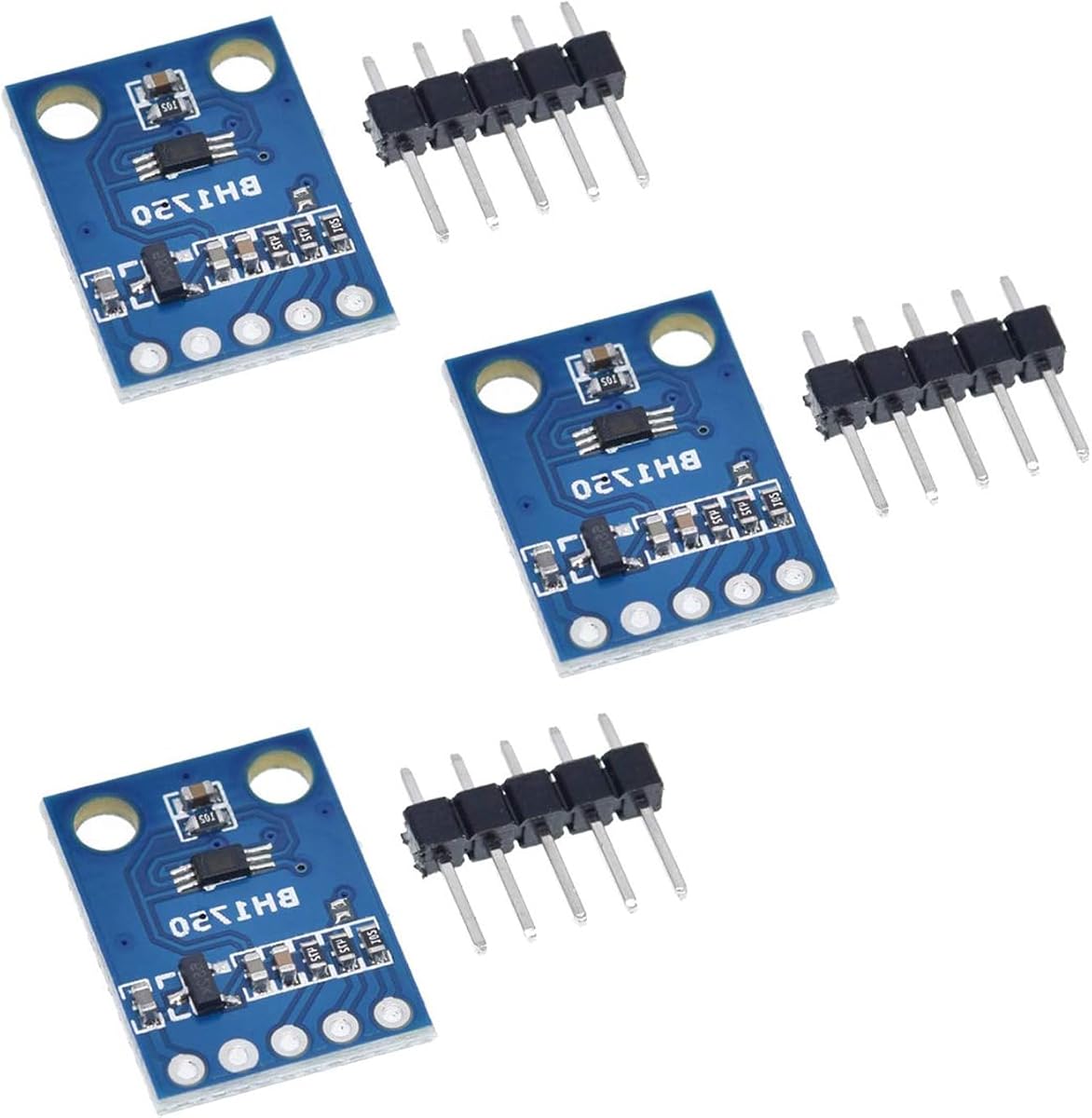
The GY-302 module stands out as the top choice for precision projects. It delivers reliable digital data through the BH1750FVI chip, ensuring high accuracy in measuring light intensity. This reliability makes it a favorite among hobbyists and professionals alike.
We may earn a commission when you buy through this link, at no additional cost to you.
Its compact design allows for easy integration into tight spaces. The I2C interface simplifies wiring compared to analog sensors, reducing pin usage on your Arduino board. Users appreciate the stable readings across various lighting conditions without needing calibration.
While it offers superior performance, it does require familiarity with digital communication protocols. The price point is marginally higher than basic resistors but justified by the precision. These trade-offs are acceptable for anyone needing exact light level data.
This module is ideal for automated lighting systems or scientific experiments requiring precise measurements. If you value accuracy and digital interface convenience, this product is the best option available for your Arduino projects.
The BH1750 chip ensures readings are consistent and accurate, which is crucial for automation projects where threshold triggers matter.
Using only two wires for data and clock signals saves valuable GPIO pins on your microcontroller for other sensors or outputs.
We may earn a commission when you buy through this link, at no additional cost to you.
For those needing many components without breaking the bank, this bulk pack is unbeatable. It includes thirty individual photoresistors perfect for classrooms or multiple small projects. Each unit is a standard five millimeter type widely compatible with most circuits.
We may earn a commission when you buy through this link, at no additional cost to you.
These resistors change resistance based on light exposure, making them simple to use with analog inputs. The voltage tolerance is impressive, allowing flexibility in power sources. They are a staple for beginners learning about light sensing principles.
The downside is that they require external circuitry to function as a module. You will need to build a voltage divider to get a readable signal. However, for cost-sensitive projects, this DIY requirement is easily managed.
Choose this if you are teaching others or building numerous identical sensors. The low price per unit means you can experiment freely without worrying about wasting components. It is the ultimate budget solution for Arduino users.
Buying in bulk ensures you always have spares for new builds, reducing downtime when a component fails during a long project.
Working with bare components teaches essential circuit theory like voltage dividers, providing deeper insight than using pre-made modules.
We may earn a commission when you buy through this link, at no additional cost to you.
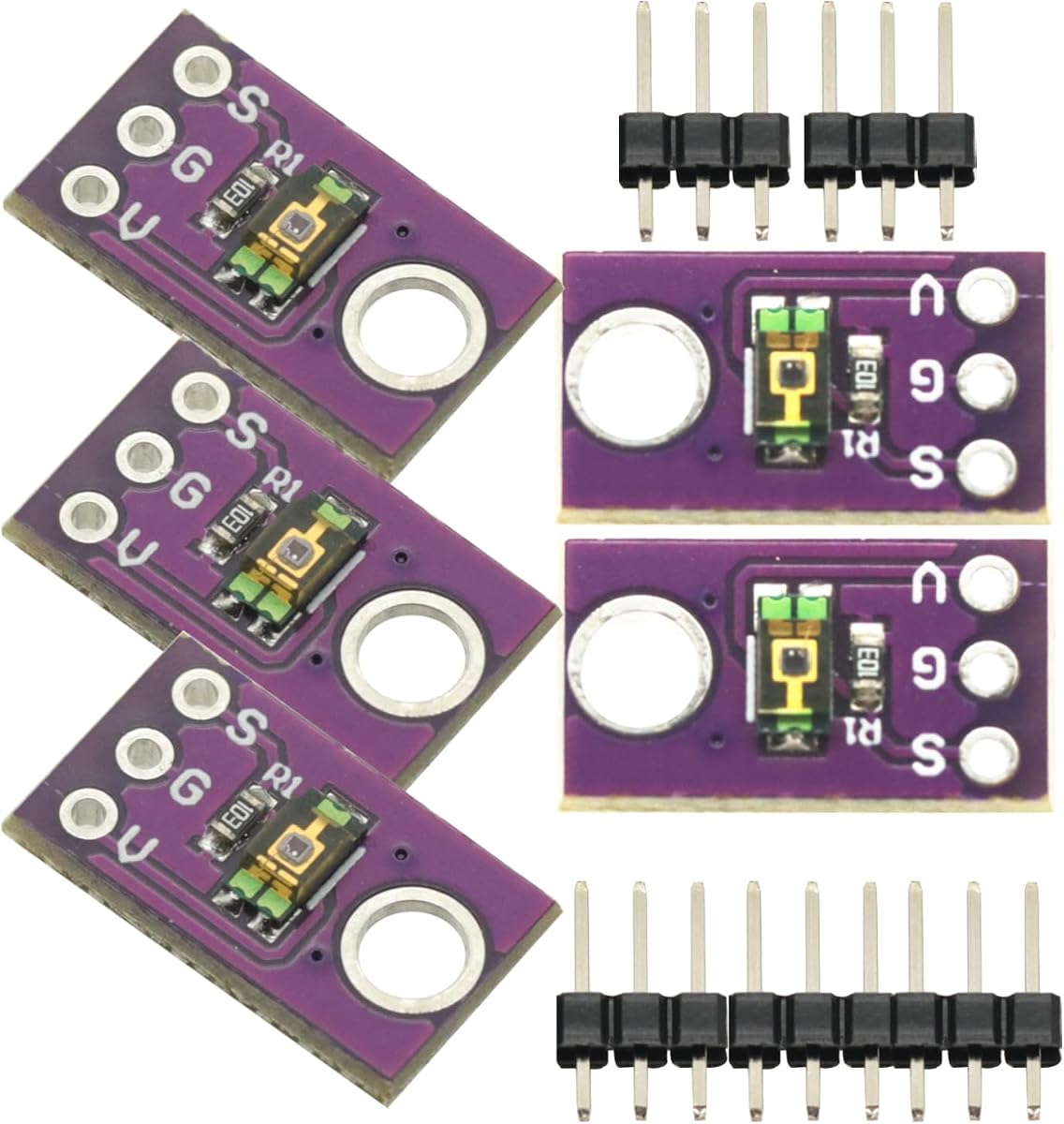
The TEMT6000 is designed for professional applications where lighting consistency is critical. It offers unmatched sensitivity for detecting subtle changes in ambient light, making it perfect for screen dimming. The industrial grade quality ensures long-term stability.
We may earn a commission when you buy through this link, at no additional cost to you.
Its response to light closely mimics the human eye, which is vital for user interface adjustments. This feature allows your Arduino to adjust display brightness automatically for better readability. Users report reliable performance in varying environments.
While premium, the cost is justified by its precision and application-specific design. It might be overkill for simple hobby projects but excels in commercial or high-end prototypes. The trade-off is worth it for demanding use cases.
Select this for projects involving displays or lighting control where human comfort is key. If you need a sensor that performs like a dedicated consumer electronics component, this is the top recommendation available today.
The sensor is tuned to respond similarly to how human eyes perceive light, ensuring natural brightness adjustments for displays.
Built for industrial control, this sensor withstands varying conditions better than cheaper alternatives, ensuring consistent output over time.
We may earn a commission when you buy through this link, at no additional cost to you.
This module combines a standard LDR with an LM393 comparator for versatile functionality. It provides both analog and digital outputs, giving flexibility in how you read the sensor. The potentiometer allows easy adjustment of the trigger threshold.
We may earn a commission when you buy through this link, at no additional cost to you.
Users find it simple to set up for automated light switching. The ability to use it with 3.3V microcontrollers like ESP32 makes it highly compatible. It avoids the need for external comparators in digital switching projects.
The build is functional but not as refined as integrated ICs. Wiring requires some attention to ensure stable connections. However, the dual output option saves money by replacing two separate components in many builds.
This is a solid choice for projects needing a physical threshold switch. If you want a mix of raw analog data and digital triggering, this module offers the best balance of features and cost.
Having both analog and digital pins lets you read exact light levels while simultaneously triggering a relay based on a set point.
Designed to work down to 3.3V, it fits seamlessly into modern microcontroller setups without requiring voltage regulation.
We may earn a commission when you buy through this link, at no additional cost to you.
Unlike omnidirectional sensors, this photodiode module is designed to detect light from a specific direction. This makes it excellent for projects needing to track a light source or avoid ambient interference. It comes in a generous ten piece pack.
We may earn a commission when you buy through this link, at no additional cost to you.
The directional nature ensures precise sensing in complex environments. You can tune the sensitivity using the built-in potentiometer to avoid false triggers. It supports both analog voltage and digital switch outputs for varied logic needs.
However, its directional focus means it may miss light coming from the sides. This limitation is acceptable when you need to focus on a specific source like a spotlight. The build is standard for this price tier.
Ideal for line following robots or light seeking systems, this module adds a layer of precision. If you need to sense light direction rather than just intensity, this is a strong contender for your next build.
The focused field of view allows the sensor to ignore background light, ensuring accurate detection of the target source.
With both analog and digital outputs, you can use the same sensor for gradual dimming or simple on/off switching logic.
We may earn a commission when you buy through this link, at no additional cost to you.
The HiLetgo version of the GY-302 is known for its consistent quality and reliable chip usage. It features the original BH1750FVI chip which ensures accurate digital readings. This module is a standard choice for many Arduino enthusiasts.
We may earn a commission when you buy through this link, at no additional cost to you.
Its setup involves connecting to the I2C pins on your board, which simplifies wiring. Users appreciate the reliability over time and the clear documentation available online. It serves as a robust solution for automation tasks.
The only limitation is that it provides only digital data, not analog. This means you lose raw voltage readings but gain processing efficiency. For most applications, digital readings are more useful and stable than analog noise.
Choose this if you need a reliable module for multiple builds without calibration issues. The reputation of the brand and the performance of the chip make it a safe choice for critical lighting control projects.
Using the genuine ROHM chip ensures the sensor behaves predictably, reducing the chance of errors due to counterfeit components.
Digital outputs eliminate the noise issues often found in analog circuits, providing cleaner data for your microcontroller to process.
We may earn a commission when you buy through this link, at no additional cost to you.
This pack offers ten solid modules that work well with relays for direct control. The LM393 comparator ensures a clean digital signal that can switch motors or lights directly. It is a favorite for DIY lighting automation.
We may earn a commission when you buy through this link, at no additional cost to you.
Users highlight the stability of the threshold control. Once set, the sensor reliably toggles the output at the chosen light level. The ten piece count allows you to equip multiple stations without extra cost.
While the PCB is simple, it is robust enough for typical prototyping. Soldering headers is necessary but straightforward. This is a no-frills solution that gets the job done without complex integration steps.
Perfect for home automation projects where you need simple on/off switching based on light. If you want a large quantity of reliable switching modules, this product offers excellent value and performance.
The digital output can drive a relay directly, allowing the sensor to turn lamps on or off without extra logic boards.
The potentiometer allows you to set a precise trigger point that remains stable even if voltage fluctuates slightly.
We may earn a commission when you buy through this link, at no additional cost to you.
Designed for compatibility with major microcontrollers, this module works seamlessly with ESP32 and Raspberry Pi. It offers both digital and analog outputs, giving flexibility in how you process light data. The adjustable threshold simplifies setup.
We may earn a commission when you buy through this link, at no additional cost to you.
Users appreciate the included tutorials which help beginners get started quickly. This reduces the time spent on wiring and coding. It is a versatile solution that bridges simple Arduino projects and advanced IoT applications.
The four piece pack is smaller than others but sufficient for most needs. It uses standard LDR technology, so it is not as precise as IC modules. However, the ease of use makes it very popular.
This is ideal for IoT projects where connecting to a network is the primary goal. If you are building a smart home system, this sensor integrates well with your existing ecosystem and software stack.
With built-in support for ESP32, connecting this sensor to Wi-Fi networks for remote monitoring becomes straightforward and efficient.
The included tutorials provide step-by-step instructions for wiring and coding, making it accessible even for first-time users.
We may earn a commission when you buy through this link, at no additional cost to you.
With fifty units included, this pack is perfect for large scale deployments or educational institutions. The GL5516 is a standard type that works well with most microcontrollers. Its high resistance in the dark ensures clear signal distinction.
We may earn a commission when you buy through this link, at no additional cost to you.
Users use these for solar tracking arrays where multiple sensors are needed to compare light angles. The low cost per unit makes it feasible to use many sensors without exceeding your budget. They are versatile and reliable.
The main drawback is the lack of a module casing. You will need to build the circuit for each unit. This extra work is worth it for the sheer volume and cost savings you get from this bulk pack.
Choose this for extensive projects like automated garden lighting. If you need to cover a large area with sensors, this bulk supply provides the necessary components to implement your design efficiently and affordably.
The high sensitivity allows precise angle detection, which is essential for keeping solar panels aligned with the sun effectively.
Buying in large quantities significantly lowers the cost per sensor, making large array projects financially viable for any budget.
We may earn a commission when you buy through this link, at no additional cost to you.
The uxcell module is designed for robust applications like smart car projects. It uses a wide voltage LM393 comparator which ensures stability across different power sources. It provides both digital and analog outputs for flexibility.
We may earn a commission when you buy through this link, at no additional cost to you.
Users value its stability in varying environments, making it suitable for mobile applications. The signal output is clean and consistent, reducing noise issues. It is a solid choice for vehicle-based automation systems.
While the pack is smaller, it is often sufficient for specific prototypes. The build quality is standard but reliable enough for testing. It serves well as a general-purpose sensor for various embedded tasks.
This is a good fit for mobile or automotive projects. If you need a sensor that handles voltage fluctuations well, this module offers the stability required for reliable performance in moving vehicles.
The comparator design ensures the signal remains clean even with vibrations or minor power dips typical in automotive environments.
Designed with automotive use in mind, this sensor performs well in dynamic lighting conditions encountered during driving.
We may earn a commission when you buy through this link, at no additional cost to you.
Choosing the right sensor depends on your project requirements. This guide breaks down the essential factors to consider.
Decide if you need digital or analog output. Digital outputs provide clear high or low signals for simple switches, while analog outputs give a voltage proportional to light intensity for gradual control.
Choose digital for on/off triggers and analog for smooth adjustments like dimming.
Digital modules like BH1750 offer high precision but cost more than basic resistors. Basic photoresistors are cheap but vary between units and require calibration.
Use precise modules for scientific projects and basic resistors for simple lighting.
Ensure the module works with your microcontroller's voltage. Some sensors require 5V while others support 3.3V for ESP32 and Raspberry Pi.
Check the supply voltage range before purchasing to avoid damaging your components.
Some sensors are omnidirectional while others are directional. Directional sensors are better for focusing on a specific light source.
Select directional sensors for light tracking and omnidirectional for ambient detection.
Buying bulk packs is cost-effective if you plan multiple projects. Individual modules may be better for single prototypes.
Choose larger packs for classrooms or extensive builds.
Analog sensors require simple wiring while I2C digital modules need specific libraries. Consider your coding experience when choosing.
Newbies often prefer analog while experienced users opt for digital.
Different sensors have different response times to light changes. Some are fast enough for high-speed detection.
Fast response is key for dynamic lighting control.
Check if the module has holes for screws or needs custom mounting. Some come with brackets or clear housings.
Secure mounting ensures consistent reading angles.
Connect the sensor's VCC pin to your microcontroller's power rail and GND to ground. For analog sensors, connect the middle pin to an analog input. For digital ones, connect to a digital pin.
Calibrate the sensor by adjusting the potentiometer on the module. This sets the threshold point where the digital output changes state based on light intensity.
Keep the sensor lens clean and free from dust to ensure accurate readings. Avoid direct exposure to moisture and extreme heat to prolong the component's lifespan.
Most ready-made modules include necessary resistors and comparators. Bare photoresistors require you to build a voltage divider circuit using an external resistor.
The TEMT6000 or BH1750 are best for this. They offer high sensitivity and precision needed to adjust screen brightness smoothly.
Many modules support 3.3V directly. Always check the voltage range specified. If not, use a voltage level converter.
Fluctuations can be caused by noise or ambient light changes. Add a capacitor for smoothing or average multiple readings in code.
Analog modules typically use three pins. Digital modules like I2C use four. Bare sensors usually need two plus an external resistor.
Standard modules are not weatherproof. For outdoor use, seal the sensor or use an enclosure to protect it from rain and dust.
Photoresistors have a slower response time compared to photodiodes. This is usually negligible for slow lighting changes but matters for high speed.
Upload a simple sketch to print sensor values to the serial monitor. Cover the sensor with your hand to see resistance or voltage changes.
We have reviewed ten excellent options ranging from budget bulk packs to premium professional modules. The 3-Pack GY-302 BH1750 stands out for precision while EBOOT offers great value for beginners.
Prioritize accuracy and voltage compatibility based on your specific project needs. Whether you are building a simple night light or a complex IoT system, choosing the right sensor ensures success.
Remember that prices and stock levels change frequently. Check the current availability and reviews on the product pages before making your final purchase decision.