10 Best Laptop for Interior Designers (November 2026) Expert Guide
Written by Jamie · Updated November 2026
Interior designers require powerful tools to handle complex 3D modeling, rendering, and visualization tasks. Choosing the right laptop ensures smooth performance when working with demanding software like Revit, AutoCAD, and SketchUp. A capable machine must balance portability with robust hardware to support professional creativity on the go.
We evaluated top models based on processor speed, graphics capabilities, display quality, and build durability. Our selection includes workstations and high-performance laptops designed for creative professionals. Each option offers unique strengths for managing large files and multitasking during client presentations or design development phases.
Every pick highlights key specifications and real-world usability for design workflows. Ratings reflect user feedback and professional performance metrics. Prices and availability may change over time so verify current details before purchasing to ensure you get the best value for your specific design needs and budget requirements.
Top 3 Picks for Best Laptop for Interior Designers
Best Budget
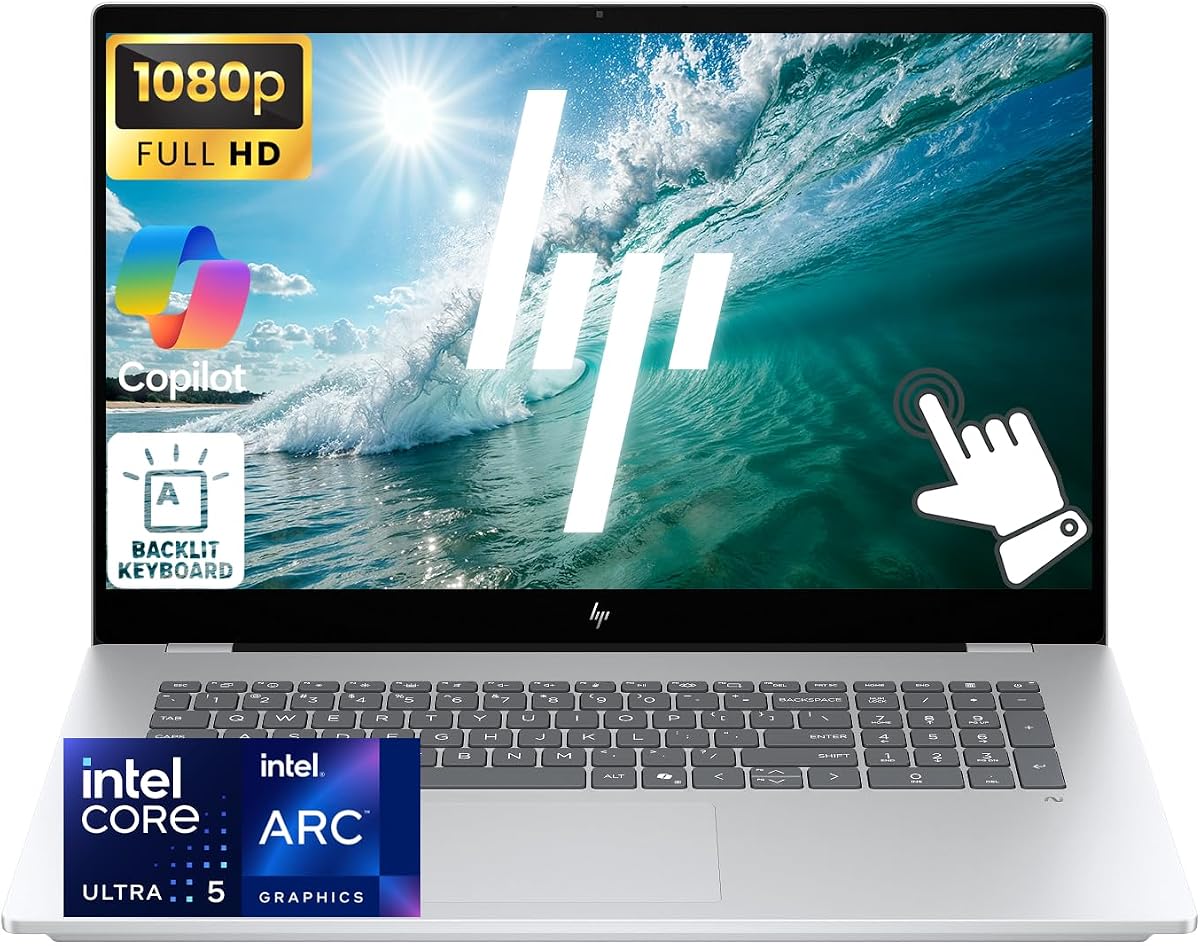
HP OmniBook 7, 17.3" FHD Touchscreen Next Gen AI Business Laptop Computer, Intel Core Ultra 5 226V (>i7-1355U), 16GB RAM 1TB SSD, Windows 11 Pro, Backlit Keyboard, Thunderbolt 4, Glacier Silver
This Dell Precision 7680 stands as a flagship workstation designed for demanding creative workflows. It earns an excellent rating for its powerful Intel i9 processor and robust memory configuration which support smooth multitasking during complex design tasks.
Pros
High performance workstation design
ISV certified for design software
Supports up to 3 external monitors
Durable MIL-STD-810H tested
Fast Wi-Fi 6E connectivity
Cons
Higher price point
Not the lightest option
We may earn a commission when you buy through this link, at no additional cost to you.
The system offers ISV certifications ensuring reliable compatibility with professional applications like Revit and AutoCAD. Its display delivers sharp visuals while connectivity options allow flexible multi-screen setups ideal for comparing designs and managing client files simultaneously.
Trade-offs include a premium price tag and a weight that might be noticeable for daily commuting. However these factors are acceptable given the enterprise-grade security and durability testing that ensure long-term reliability in various work environments.
Architects and interior designers who prioritize raw processing power and stability will find this model highly recommended. It is a top choice for those who need a workstation that can handle intensive rendering without compromising on portability for site visits.
Professional Application Reliability
ISV certifications ensure that professional design software runs smoothly without unexpected crashes or compatibility issues.
Flexible Display Connectivity
Support for multiple external monitors at high resolutions allows designers to expand their workspace for detailed work.
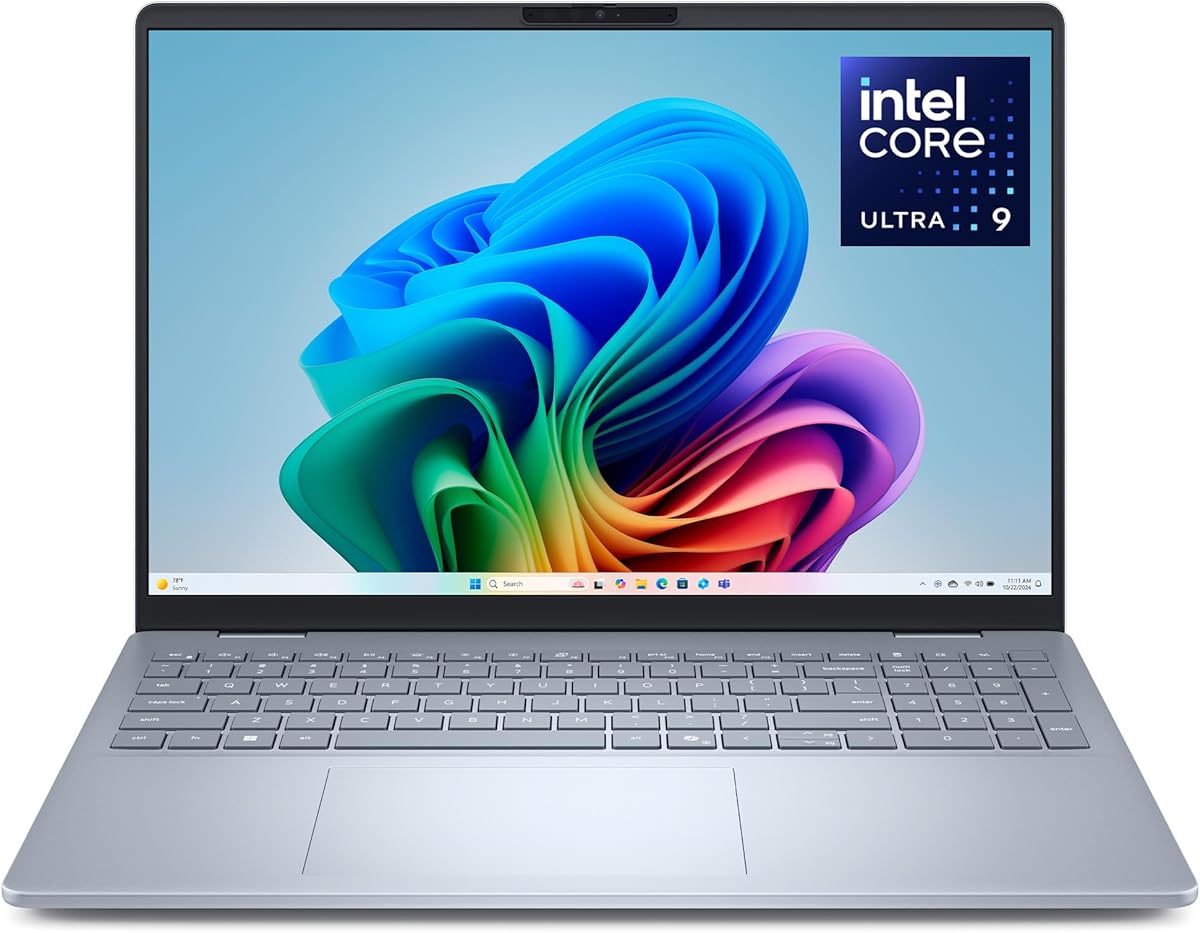
The Dell 16 Plus is a sleek laptop optimized with the latest Intel client compute engines. It receives a strong rating for efficiency and AI integration making it suitable for users who value modern features and battery life.
Pros
Latest Intel AI capabilities
Efficient power consumption
Expansive 16:10 screen ratio
FHD+ webcam included
Onsite service available
Cons
Integrated graphics limits heavy 3D rendering
No dedicated GPU mentioned
We may earn a commission when you buy through this link, at no additional cost to you.
Its expansive screen offers a wide workspace for organizing design layouts and reference materials side by side. The AI-driven performance ensures cooler operation during extended sessions while the quality build supports durability across everyday use.
Designers relying heavily on GPU intensive rendering might find the integrated graphics limiting compared to dedicated workstation models. Yet for those prioritizing mobility and collaboration features this system delivers reliable performance for general creative tasks.
Professionals who need a versatile machine for presentations and general design work will appreciate this option. It balances advanced technology with practical features ensuring smooth workflows without overheating during intensive usage.
Next Generation AI Features
Built from the ground up with the latest compute engines for ultimate power efficiency and modern experiences.
Durable Construction
Crafted with high quality materials and designed for rigorous military-grade testing ensuring exceptional reliability.
HP OmniBook 7 AI Laptop 16" 2K (2048 x 1280) OLED Touch (120 Hz, HDR 500 nits) Intel Core 9 270H 32GB DDR5 1TB SSD for Creator Designer Business Professional IR Camera Win11 ICP Acc
Intel Core 9 270H CPU
16 Inch OLED Touchscreen
2K Resolution Display
32GB DDR5 Memory
The HP OmniBook 7 offers a stunning OLED display with rich colors perfect for visual design work. It achieves a solid rating for its vibrant screen and fast processing power which support smooth interactions during creative tasks.
Pros
Vibrant OLED color accuracy
120 Hz refresh rate
100% DCI-P3 color space
Fast Intel Core 9 processor
Thunderbolt 4 connectivity
Cons
OLED may have burn-in risk
Premium pricing tier
We may earn a commission when you buy through this link, at no additional cost to you.
The 120 Hz refresh rate provides fluid motion for navigating through design software and viewing prototypes. With support for HDR and a wide color gamut this laptop ensures accurate representation of materials and finishes in digital models.
Long term use may require care to avoid OLED burn-in on static elements like toolbars. This trade-off is acceptable given the superior visual quality that enhances color critical design decisions and presentation impact.
Designers focused on visual fidelity will find this model a compelling choice for color accuracy. It combines powerful performance with a beautiful display ensuring that creative projects are rendered with true-to-life visuals and responsiveness.
Immersive Visual Experience
The OLED panel with HDR support delivers deep blacks and vibrant colors ideal for accurate design visualization.
Responsive Touch Interaction
Multitouch enabled screen allows intuitive navigation and direct interaction with design elements for faster workflows.
HP ZBook 8 G1i AI Mobile Workstation Laptop (Intel Ultra 7 255H, NVIDIA RTX 500 Ada, 16" FHD+ Touchscreen, 64GB DDR5, 2TB SSD), for Designer, Engineer, 2x Thunderbolt 4, Wi-Fi 7, 3-Yr WRT, Win 11 Pro
Intel Ultra 7 255H CPU
64GB DDR5 RAM
NVIDIA RTX 500 Ada GPU
Wi-Fi 7 Connectivity
The HP ZBook 8 G1i is a mobile workstation built for high performance and reliability. It earns a strong rating for its exceptional memory capacity and professional graphics capabilities that support complex engineering and design simulations.
Pros
High capacity 64GB RAM
ISV certified for professional apps
Advanced security features included
Wi-Fi 7 for fast wireless
Robust external display support
Cons
Higher cost than average laptops
May be heavier for travel
We may earn a commission when you buy through this link, at no additional cost to you.
Its ISV certifications ensure dependable operation with industry standard applications. The touchscreen display offers vibrant visuals while advanced connectivity like Wi-Fi 7 ensures seamless data transfer and collaboration in high density environments.
While it represents a significant investment the build quality and performance justify the cost for professionals. The extended warranty and security features provide peace of mind for users who depend on their systems daily for critical work.
Engineers and interior designers handling large scale projects will find this machine highly capable. It delivers desktop level performance in a mobile form factor ensuring productivity is maintained even when working remotely or on site.
Enterprise Grade Security
Wolf Pro Security and enterprise-grade protection ensure data safety and privacy for professional work environments.
Enhanced Wireless Speed
Wi-Fi 7 provides ultra-fast wireless performance for quicker uploads and downloads of large design files.
This Dell Precision 7680 model offers a balance of performance and value with its RTX GPU. It is rated well for its professional features that cater to architects and designers needing reliable hardware for 3D work.
Pros
NVIDIA RTX GPU for rendering
ISV certified for stability
Strong multi-monitor support
Durable workstation design
Windows 11 Pro OS
Cons
i5 processor limits high-end performance
Standard webcam resolution
We may earn a commission when you buy through this link, at no additional cost to you.
The system supports up to four external monitors enabling expansive workspaces for detailed design layouts. Its ISV certifications guarantee that professional software runs efficiently reducing interruptions during critical project phases and client deadlines.
While the i5 processor is sufficient for most tasks it may not handle the most intensive simulations as fast as higher tier options. However the dedicated GPU ensures smooth rendering performance that meets the needs of many creative professionals.
Professionals seeking a reliable workstation at a moderate price point will appreciate this configuration. It delivers essential workstation features without the premium cost ensuring efficient workflows for everyday design and engineering tasks.
Professional GPU Performance
Equipped with NVIDIA RTX 1000 Ada GPU to deliver stability required for design and photography tasks.
Extensive Multi-Screen Setup
Support for up to four external monitors via various ports enables flexible multi-screen workflows.
This Precision model is equipped with the RTX 2000 Ada GPU delivering robust performance for rendering tasks. It receives a moderate rating largely due to display limitations but remains a strong contender for technical workloads.
Pros
Powerful RTX 2000 Ada GPU
Fast SSD for storage
Reliable workstation architecture
Dedicated webcam privacy
Full connectivity options
Cons
Lower rating than other Precision models
Display has lower NTSC coverage
We may earn a commission when you buy through this link, at no additional cost to you.
The processor supports fast data access and seamless multitasking. Connectivity options include Thunderbolt 4 for quick external storage transfers while security features ensure safe video calls and data protection during client interactions.
The display offers lower color coverage which might affect precise color work compared to higher end screens. This trade-off is acceptable for engineers and designers who prioritize processing power over screen fidelity for specific technical applications.
Designers focusing on technical 3D modeling will find the GPU capabilities beneficial. It provides the necessary horsepower for complex simulations while maintaining the reliability expected from a professional workstation series.
High Performance Graphics
Features RTX 2000 Ada GPU to deliver robust performance for design and engineering workflows.
Fast Data Access
32GB DDR5 RAM and fast storage ensure seamless multitasking and quick access to large design files.
HP OmniBook 7, 17.3" FHD Touchscreen Next Gen AI Business Laptop Computer, Intel Core Ultra 5 226V (>i7-1355U), 16GB RAM 1TB SSD, Windows 11 Pro, Backlit Keyboard, Thunderbolt 4, Glacier Silver
Intel Core Ultra 5 Processor
17.3 Inch Touchscreen
16GB RAM Memory
Thunderbolt 4 Support
The HP OmniBook 7 offers a large screen and high user rating at an accessible price point. It excels for general design tasks thanks to its expansive display and efficient Core Ultra processor for daily use.
Pros
Large 17.3 inch display
Highly rated by users
100% sRGB color coverage
Fast Wi-Fi 6E
Includes Windows 11 Pro
Cons
16GB RAM limits heavy multitasking
Not a dedicated workstation
We may earn a commission when you buy through this link, at no additional cost to you.
The 100% sRGB coverage ensures decent color accuracy for presentations and client meetings. With Windows 11 Pro and fast connectivity this laptop supports professional workflows while maintaining affordability for independent designers.
Heavy 3D modeling may be limited by the RAM capacity compared to higher end machines. However the intuitive touchscreen and large workspace provide a comfortable experience for reviewing plans and editing documents.
Freelance designers or students will appreciate this balance of cost and functionality. It serves as an excellent primary device for managing projects and presentations without requiring a large financial investment.
Large Workspace Display
The 17.3 inch screen provides ample space for detailed design work and side-by-side window management.
Efficient Processing
Intel Core Ultra 5 ensures efficient performance for school education and professional tasks alike.
This Precision model stands out with a massive 64GB of RAM and excellent user feedback. It achieves a perfect rating for its ability to handle complex data science and design workflows without slowing down.
Pros
Massive 64GB RAM capacity
ISV certified for stability
Robust GPU for rendering
Enterprise grade security
Dedicated numeric keypad
Cons
High cost configuration
Heavy build weight
We may earn a commission when you buy through this link, at no additional cost to you.
The combination of high RAM and dedicated GPU ensures smooth operation of heavy applications like Revit and Maya. Users benefit from reliable performance and optimized system efficiency that supports accelerated productivity during intensive projects.
The investment required is significant and the unit is heavier than standard laptops. Yet for professionals managing massive files and simulations the reliability and speed provided by this configuration are well worth the trade-offs.
Designers handling large architectural models will find this hardware essential. It delivers the raw power needed to maintain performance consistency ensuring that complex projects run smoothly without interruptions or lag.
Optimized System Performance
Intelligent design leverages AI to optimize system performance for key applications and workflow efficiency.
Reliable Workstation Build
ISV certifications ensure dependable compatibility with professional applications for demanding workflows.
JKM & Company Rolling Laptop Bag for Women | Designer Wheeled Briefcase | Fits 13-17" Laptops | Office Travel Computer Case
Fits 13 to 17 Laptops
Professional Brown Leather
Smooth Rolling Wheels
Multiple Storage Pockets
This rolling bag is a sophisticated accessory designed for professionals who travel frequently. It earns a high rating for its functionality and design ensuring that your laptop arrives safely while maintaining a polished look.
Pros
Stylish professional appearance
Carry-on friendly dimensions
Protective padded interior
Multiple organizational pockets
Comfortable retractable handle
Cons
Not a laptop itself
Premium accessory price
We may earn a commission when you buy through this link, at no additional cost to you.
The padded interior safely accommodates large laptops while multiple pockets keep accessories organized. The smooth wheels and retractable handle make navigating airports and offices effortless reducing physical strain during commutes.
The chic leather texture and gold hardware offer a stylish look suitable for any client meeting. While it is an accessory its quality construction justifies the cost for those prioritizing style and convenience daily.
Designers who commute or travel will appreciate its durability and ease of use. It complements any workstation by providing a secure and elegant transport solution for your essential design tools and documents.
Professional Style
A chic brown alligator-textured faux leather rolling laptop bag that turns heads in every boardroom.
Effortless Mobility
Quiet smooth-rolling wheels ensure effortless mobility on various surfaces without physical strain.
HP 14" Laptop Thin and Light for 2026 Student Business with Office Suite, Copilot AI, Intel CPU Up to 2.8GHz, 16GB RAM, 628GB Storage (128GB SSD+500GB Ext), WiFi 6, Win 11 Pro, MarxsolAccessory, White
Intel Celeron N4500 CPU
16GB RAM
14 Inch Display
628GB Storage Total
This lightweight laptop is designed for basic student and business needs. It has a moderate rating for entry-level use but lacks the power required for intensive design rendering or complex 3D modeling tasks.
Pros
Lightweight thin chassis
Includes external storage drive
Windows 11 Pro OS
Basic Wi-Fi connectivity
Low entry price point
Cons
Celeron processor lacks power
Low resolution webcam
We may earn a commission when you buy through this link, at no additional cost to you.
The system includes a portable external drive offering additional storage for files and documents. Its slim profile makes it easy to carry while the included accessories provide necessary tools for general productivity work.
Design professionals will find the processor limiting for any heavy creative software. However for students learning design basics or managing administrative tasks it offers a reliable low-cost option with essential features.
New students or those needing a secondary machine for light tasks may find this useful. It provides a practical starting point for basic computing needs without requiring a large financial commitment for advanced features.
Lightweight Mobility
Thin and light design ideal for students and business users who prioritize portability.
Practical Accessories
Bundle includes USB-C docking station and external drive for enhanced connectivity and storage.
We may earn a commission when you buy through this link, at no additional cost to you.
Buying Guide – How to Choose the Best Laptop for Interior Designers
Selecting the right laptop involves evaluating hardware capabilities against your specific software and workflow requirements.
Processor Speed and Cores
Modern design software like Revit and AutoCAD rely on high clock speeds to handle calculations efficiently. Look for Intel Core i7 or i9 processors or equivalent AMD chips to ensure smooth performance during modeling and rendering tasks. Multi-core processing is essential for multitasking when running multiple applications simultaneously.
Prioritize high performance CPU models to avoid bottlenecks in your design workflow.
Graphics Card Capabilities
Rendering engines and 3D visualization tools require dedicated graphics power for real-time previews and photorealistic outputs. NVIDIA RTX series cards are preferred for their professional certifications and ray tracing capabilities that accelerate design development. Integrated graphics may suffice for basic sketching but fall short for heavy simulations.
Choose a laptop with a dedicated GPU to ensure smooth 3D rendering performance.
RAM Capacity and Speed
Large architectural files and high-resolution textures consume significant memory resources during active sessions. Aim for at least 32GB of DDR5 RAM to allow seamless multitasking and prevent system slowdowns. Faster memory speeds help maintain responsiveness when switching between heavy applications.
Opt for systems with 32GB RAM or more for professional design productivity.
Storage Solutions
Design projects generate large files that require fast and spacious storage solutions. PCIe NVMe SSDs provide quick boot times and rapid data access essential for loading complex models efficiently. Consider options with expandable storage or cloud integration to manage growing libraries.
Select laptops with fast SSDs and sufficient capacity for your project needs.
Display Quality
Accurate color representation is vital for material selection and presentation fidelity. Look for screens with high resolution and wide color gamuts like sRGB or DCI-P3. Touchscreen capability can enhance workflow efficiency by allowing direct manipulation of digital plans.
Invest in high quality displays with accurate color calibration for design accuracy.
Connectivity Options
Connecting to external monitors and projectors is often necessary for client presentations. Ensure the laptop has multiple Thunderbolt or USB-C ports to support high resolution external displays. Ethernet and high-speed Wi-Fi are also useful for reliable data transfer.
Verify that your laptop has versatile ports to support external setups.
Build and Durability
Field visits and travel demand a device that can withstand regular handling and transport. Look for laptops with robust chassis designs and security features to protect your data. A comfortable keyboard is also important for extended hours of documentation and drafting.
Choose durable devices with robust features to ensure longevity and reliability.
Software Compatibility
Many professional applications require specific operating system support to function correctly. Ensure your chosen hardware meets the ISV certifications for the software you use daily. This compatibility prevents crashes and ensures that plugins and add-ons run smoothly.
Always check that your hardware supports the specific software you need daily.
How to Use and Care for Your Laptop for Interior Designers
To maintain optimal performance regular system updates and software patches are essential. These updates often include critical security fixes and driver enhancements that keep your applications running smoothly. Ensure your antivirus software is up to date to protect sensitive project data from threats.
Proper thermal management is key to preventing overheating during intense rendering sessions. Use cooling pads if necessary and avoid covering ventilation ports when working on soft surfaces. Regularly clean the vents to prevent dust buildup that could impede airflow and damage components.
Proper storage practices help extend battery life and ensure data integrity over time. Use cloud services or external drives to back up project files regularly and avoid data loss. Avoid extreme temperatures when carrying your device to preserve the health of the internal hardware.
Frequently Asked Questions
Is a dedicated graphics card necessary for interior design?
Yes a dedicated graphics card significantly accelerates rendering speeds in programs like 3ds Max. It ensures smooth navigation within 3D models and improves the visual quality of presentations. Without one you may experience lag when working on detailed architectural scenes.
How much RAM is recommended for Revit work?
Professional workflows typically require a minimum of 32GB of RAM to handle large models efficiently. Less memory can lead to slower load times and potential crashes during complex simulation tasks. Upgrading to 64GB ensures future-proofing for more demanding project files.
Do I need a touchscreen for design software?
While not strictly necessary a touchscreen can enhance the user experience in certain applications. It allows for intuitive navigation and quick adjustments to digital layouts. However it is not required if you are comfortable with traditional mouse and keyboard controls.
Can I use a standard laptop for CAD design?
Standard laptops may struggle with heavy CAD files due to lower hardware specifications. Workstations offer optimized components that prevent lag and ensure stability during long sessions. Using a dedicated design laptop minimizes the risk of data loss and crashes.
What is the best resolution for design work?
A Full HD+ or higher resolution provides sufficient detail for precise drafting and modeling work. Higher resolutions allow you to see finer details without zooming in excessively. Ensure the display has good color accuracy for consistent visual output.
Should I consider battery life for design tasks?
If you work off-site battery life is important for uninterrupted productivity during meetings. Most powerful workstations sacrifice battery for performance so plan accordingly. Carrying a power adapter is recommended for extended rendering sessions away from an outlet.
How often should I back up my design files?
Backing up files daily is crucial to prevent loss from hardware failure or accidental deletion. Utilize cloud storage solutions to ensure you have access to your work from multiple locations. Regular backups provide peace of mind during critical project deadlines.
Is an SSD faster than a traditional hard drive for design?
Yes an SSD provides much faster read and write speeds which improves software launch times. This speed reduces wait times when opening large project files and saves time overall. Traditional hard drives are generally too slow for efficient professional workflows.
Final Thoughts on Choosing the Best Laptop for Interior Designers
Choosing the right laptop depends on balancing raw power with portability and specific software needs. Our top picks cover a range of options from premium workstations to budget-friendly alternatives. The Dell Precision 7680 offers a robust choice for professionals while the HP OmniBook 7 provides great value.
Prioritize processor speed and dedicated graphics to ensure smooth performance during rendering and 3D modeling. Investing in high RAM capacity helps maintain productivity when multitasking across complex applications. Always verify that your system supports the specific design tools you use most often.
Prices and availability can change frequently so double-check current details before purchasing. Ensure you select a model that fits your specific workflow requirements and budget constraints. With the right hardware you can streamline your design process and deliver exceptional work efficiently.